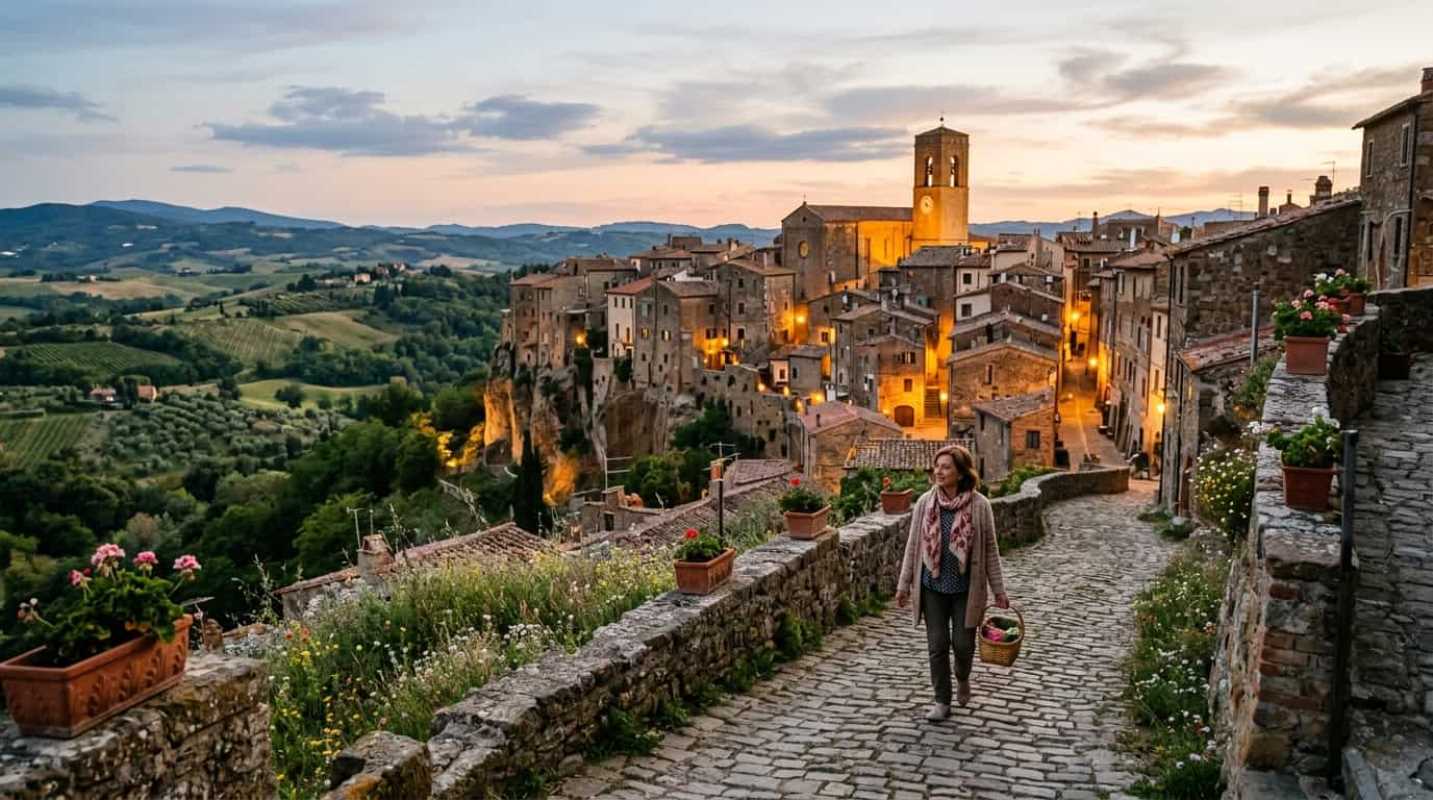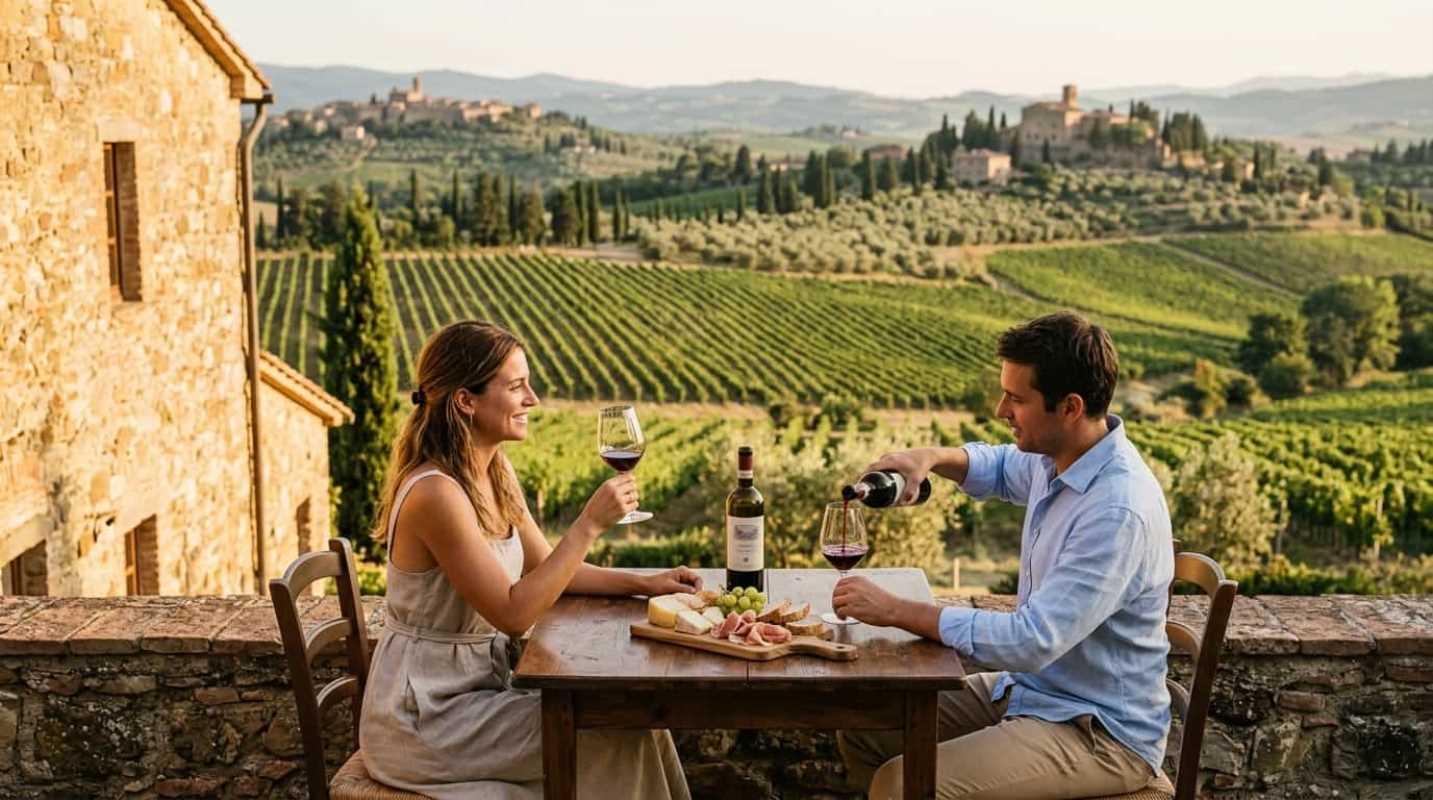
Remember the last time you went on a vacation and felt like you were just ticking boxes? You rushed from one crowded monument to another, desperately trying to snap a photo before the tour bus moved on. It's exhausting. That's why so many travelers are shifting toward slow, experiential travel. We want to actually connect with a place. We want to slow down, taste the dirt, and meet the people who make the magic happen.
Building a trip around wine goes far beyond simply drinking. It's a way to use wine as a lens to understand local history and geology. Think of a bottle of wine as a liquid postcard from a specific coordinate on Earth. When you focus your journey on a wine region, you naturally unlock the best food and the most dramatic scenery. It's a journey of discovery that starts in the glass but stretches far beyond the bottle.
Mastering the Art of Vineyard Tour Planning
Planning a wine trip is a bit of a balancing act. How do you fit in the best estates without ending up exhausted and, frankly, a little too tipsy by mid-afternoon?
First, embrace the Rule of Two. Limit your itinerary to two, or at most three, winery visits per day. Wine tastings are sensory-heavy experiences. They often come with multi-course food pairings. Rushing through them completely ruins the experience, turning a relaxed afternoon into a frantic race against the clock.
Should you book ahead or just show up? The days of casual walk-ins are mostly gone, especially at top-tier estates. For high-demand regions, you need to book your tastings eight to twelve weeks in advance. Leave maybe one afternoon open for spontaneous discoveries, but lock down your anchors early.
There's also the logistics puzzle. Wine tasting and driving simply don't mix. Always secure your transportation before you book your tastings. You have a few great options:
• Private Drivers: You can easily arrange a driver through your hotel for a stress-free day.
• Guided Tours: Joining a small-group tour takes the planning entirely off your plate.
• Alternative Transport: Some regions offer scenic trains or boats that make the journey part of the fun.
Where to Go in the Wine World
Although classic spots like Mendoza and the Willamette Valley are always fantastic, some incredible regions have taken the global spotlight. Here are the top destinations to build your next trip around.
Douro Valley, Portugal
The Douro Valley is the oldest demarcated wine region in the world, and the views are absolutely jaw-dropping. Think of dramatic, hand-carved stone terraces that plunge straight into the winding Douro River. Although historically famous for Port, the region has undergone a massive quality revolution, producing some of Europe's most exciting, dry red and white table wines.
• Key Reds: Touriga Nacional, Touriga Franca, Tinta Roriz, and Sousão.
• Key Whites: Rabigato, Viosinho, Gouveio, and Códega do Larinho.
If you go, base yourself in Pinhão, which is the geographic heart of the valley. To get around, skip the terrifying, narrow roads and choose a scenic train ride from Porto or book a private wooden yacht. For wineries, Quinta do Crasto has a world-famous infinity pool and incredible old-vine blends. Quinta Nova de Nossa Senhora do Carmo offers a luxury Relais and Châteaux experience, while Quinta do Tedo is a certified organic estate with a cozy, family-run vibe.
Best time to visit: September for the grape harvest, where you can actually participate in traditional foot-treading, or April to June for mild weather.
Millahue and Colchagua Valleys, Chile
South America is dominating the global wine tourism scene. In fact, VIK in the Millahue Valley was crowned the number one vineyard in the world in late 2025.¹ Chile's wine valleys blend futuristic, gravity-fed architecture with the snow-capped Andes Mountains. Wineries here offer complete luxury, combining fine art, high-end spas, horseback riding, and world-class gastronomy.
• Key Reds: Carmenère (Chile's flagship grape), Cabernet Sauvignon, Syrah, Cabernet Franc, and Merlot.
For an unforgettable visit, book VIK to see its titanium-roofed hotel and giant mirror-like water plaza. You can also visit Montes in the Colchagua Valley, where Gregorian chants are played 24/7 in the cellar to soothe the aging wine.
Best time to visit: October to April. Just make sure to book three to six months in advance because the demand is massive.
Rioja, Spain
Spain is a powerhouse for wine travelers, and Rioja is the crown jewel. Marqués de Riscal won the top global spot in 2024, and Bodegas Ysios climbed to number three in 2025.² Rioja is a place of contrasts, where medieval stone villages sit right next to avant-garde architecture designed by legendary names like Frank Gehry and Santiago Calatrava.
• Key Reds: Tempranillo, Garnacha, Graciano, and Mazuelo.
• Key Whites: Viura and Tempranillo Blanco.
Make sure to visit Bodegas Ysios to see its wave-like cedar roof, and Marqués de Riscal for its futuristic hotel wrapped in pink, gold, and silver titanium ribbons.
Best time to visit: June for wine festivals or September and October for the autumn foliage.
Plovdiv, Bulgaria
If you want a true hidden gem, Plovdiv was crowned the Best Wine Capital in Europe for 2025.³ The winemaking history here goes back over 5,000 years to the ancient Thracians. It offers incredible value, a preserved nineteenth-century Old Town, and a rapidly modernizing wine scene.
• Indigenous Reds: Mavrud (a rich, dark, age-worthy red) and Rubin.
• International Varietals: Cabernet Sauvignon, Merlot, and Chardonnay.
Check out Villa Yustina for its modern tasting rooms and adventure park, or Dragomir Winery Estate for educational, sommelier-led tastings.
Best time to visit: May to October. Try to align your trip with the Plovdiv Wine and Gourmet Festival in May.
Sipping Like a Pro with Tasting Room Etiquette
Walking into a prestigious tasting room can feel a little intimidating. Do you swirl? Do you sniff? How do you taste without looking like you're trying too hard?
First, lose the performance. Wine tasting is not an exam. The hosts want you to enjoy yourself, but there are a few unwritten rules that will make you a stellar guest.
Use the spit bucket. Seriously, even the pros do it. If you're visiting multiple wineries, swallowing every drop will burn out your palate (and your liver) by lunchtime. Spitting is not rude; it shows you're taking the wine seriously.
For fees, understand that tasting rooms are businesses. Many wineries will waive the tasting fee if you buy a bottle or two. If you love a wine, buy it. It's the best way to show appreciation.
Finally, talk to the staff. Ask questions about the soil, the vintage, or the winemaker's philosophy. They love sharing their passion, and you'll walk away with a much richer experience.
Beyond the Tasting Room for Immersive Wine Culture
A great wine trip is about so much more than what's in the glass. It's about how the wine connects to everything else around you.
Think about the food. The local cuisine in these regions evolved right alongside the grapes. A glass of Rioja Tempranillo tastes completely different when paired with local wood-fired lamb in a medieval Spanish village.
Take time to explore the terrain. Go for a hike through the vineyards, admire the dramatic architecture, and learn about the local history. In Plovdiv, you're walking on ground where people have made wine for thousands of years. That history shapes the flavor in your glass.
Keep a quick travel diary. Jot down a few notes about the wines you loved and the moments you enjoyed them. Years from now, opening a bottle of Portuguese red will bring you right back to that sunny terrace overlooking the Douro River.
Start Planning Your Epicurean Adventure
Building a vacation around wine is one of the most rewarding ways to see the world. It forces you to slow down, step off the beaten tourist path, and engage your senses in a way that typical sightseeing just can't match.
As you start planning your next getaway, remember to keep things flexible. Book your anchor tastings early, hire a driver, and don't be afraid to try indigenous grapes you've never heard of before.
The world of wine is vast, welcoming, and ready to be explored. All you have to do is take the first sip.
Sources:
1. Forbes - The World's 50 Best Vineyards Crowned: Chile Takes Top
https://www.forbes.com/sites/jillbarth/2025/11/24/the-worlds-50-best-vineyards-crowned-chile-takes-top/
2. Winerist - The World's Best Vineyards 2025
https://magazine.winerist.com/the-worlds-best-vineyards-2025/
3. Elegant Kaya - Best Wine Regions 2025
https://elegantkaya.com/blog/best-wine-regions-2025