Remember when working from home meant sitting on your couch in your pajamas, hoping your Wi-Fi wouldn't cut out during a Zoom call? Those days are gone. Today, we are living in a completely different world. The old idea of working from home has evolved into a massive, global movement of working from absolutely anywhere. We aren't talking about a few beach bums with laptops anymore. This is a multi-billion-dollar shift.
Right now, there are over 35 million digital nomads traveling the world.¹ The United States alone has 18.1 million remote workers, which is a massive 147% jump since 2019. That is a lot of people trading cubicles for coffee shops.
So what does this actually mean for you? It means the world is your office, but you can't just pack your bags and fly to the first pretty beach you see on Instagram. To actually get work done, you need a city that offers more than just good views. You need a place that balances cost, internet speed, and community.
Crunching the Numbers: Cost of Living Comparisons
Let's talk about the money. The biggest mistake you can make as a nomad is assuming a cheap city is automatically a great place to live. You have to balance your budget with your actual quality of life. You want your money to go far, but you also want to be comfortable.
Local prices for food, transport, and rent will dictate your daily stress levels. To help you compare your options, here is how some of the top global hubs stack up for monthly costs.
• Lisbon, Portugal: Expect a monthly cost of $2,300 to $2,500, with a one-bedroom central apartment averaging around $1,300.
• Bangkok, Thailand: A massive city with costs between $1,200 and $1,500, where a central apartment is only $450 to $600.
• Chiang Mai, Thailand: Incredibly cheap at $1,000 to $1,100 per month, with rent averaging around $330.
• Mexico City, Mexico: Costs run between $1,500 and $2,000, with central rent around $800 to $1,000.
• Medellín, Colombia: A budget-friendly option at $1,200 to $1,800 per month, with rent between $360 and $500.
• Tokyo, Japan: A premium experience costing $2,800 to $3,500, with rent between $1,200 and $1,600.
• Tbilisi, Georgia: An underrated gem costing $800 to $1,500, with rent from $300 to $700.
These numbers show that your dollar can stretch incredibly far if you choose the right base. In places like Chiang Mai or Medellín, you can live comfortably on a fraction of what you would pay in a Western city. This leaves you with more cash to actually enjoy the local culture, try new restaurants, and explore the region.
Connectivity and Community: The Power of Coworking Infrastructure
Fast, reliable internet is not a luxury. It is your lifeline. If your connection drops during a client presentation, you are out of business.
But there is a common trap here. Many experienced nomads talk about the "Europe Internet Problem." You might rent a gorgeous, historic apartment in Lisbon or Barcelona, only to find the thick stone walls and outdated wiring leave you with dial-up speeds. Because of this, you will often find yourself relying on coworking spaces rather than your apartment Wi-Fi.
Fortunately, many cities have built tech-friendly workspaces right into their local culture. Here is what you can expect in terms of infrastructure across different hubs.
• Lisbon, Portugal: Offers blazing-fast fiber internet averaging 175 to 180 Mbps, with top-tier spaces like Heden and Second Home.
• Bangkok and Chiang Mai, Thailand: Surprising internet speeds exceeding 100 Mbps, with spaces like Punspace and Common Ground.
• Medellín, Colombia: Fiber connections now reach 100+ Mbps in areas like El Poblado, with Selina offering great workspaces.
• Tokyo, Japan: Some of the fastest internet in the world at 200+ Mbps, with highly professional spaces like Case Shinjuku.
Beyond just giving you a desk, these spaces are where you find your community. Working alone in a foreign country can get lonely. Coworking spaces give you an instant social network and a place to collaborate with other remote professionals.
Understanding the Red Tape: Visa Accessibility for Nomads
The days of working secretly on tourist visas are quickly ending. Governments have realized how much money remote workers bring in, and over 43 countries now offer official digital nomad visas.³
But not all visa programs are equal. Some require mountains of paperwork, while others are surprisingly simple. Here is a quick look at the most popular options:
• Spain Digital Nomad Visa: Requires you to earn about $3,100 per month. The big benefit here is the Beckham Law tax regime, which lets you pay a flat 24% tax rate on your income instead of progressive rates.
• Thailand Destination Thailand Visa (DTV): This is a massive game-changer. It is a five-year, multiple-entry visa that lets you stay for 180 days at a time. You just need to show about $14,500 in savings, and foreign-sourced income is tax-free if you do not bring it into the country in the same year you earned it.
• Japan Digital Nomad Visa: Offers a six-month stay, but has a steep income requirement of around $65,000 per year, and you cannot renew it immediately.
• Estonia Digital Nomad Visa: Requires a gross monthly income of about $4,900 and lasts for one year.
Tax compliance is also becoming a major issue. In 2026, governments are cracking down on remote workers who ignore local tax laws. Spain, for example, is actively auditing nomads to make sure they pay their social security.
Top Picks: Where to Plant Your Laptop
Choosing your next destination depends on your working style and what you want out of your daily life. Let us look at three distinct global hubs that offer the best balance of work and play.
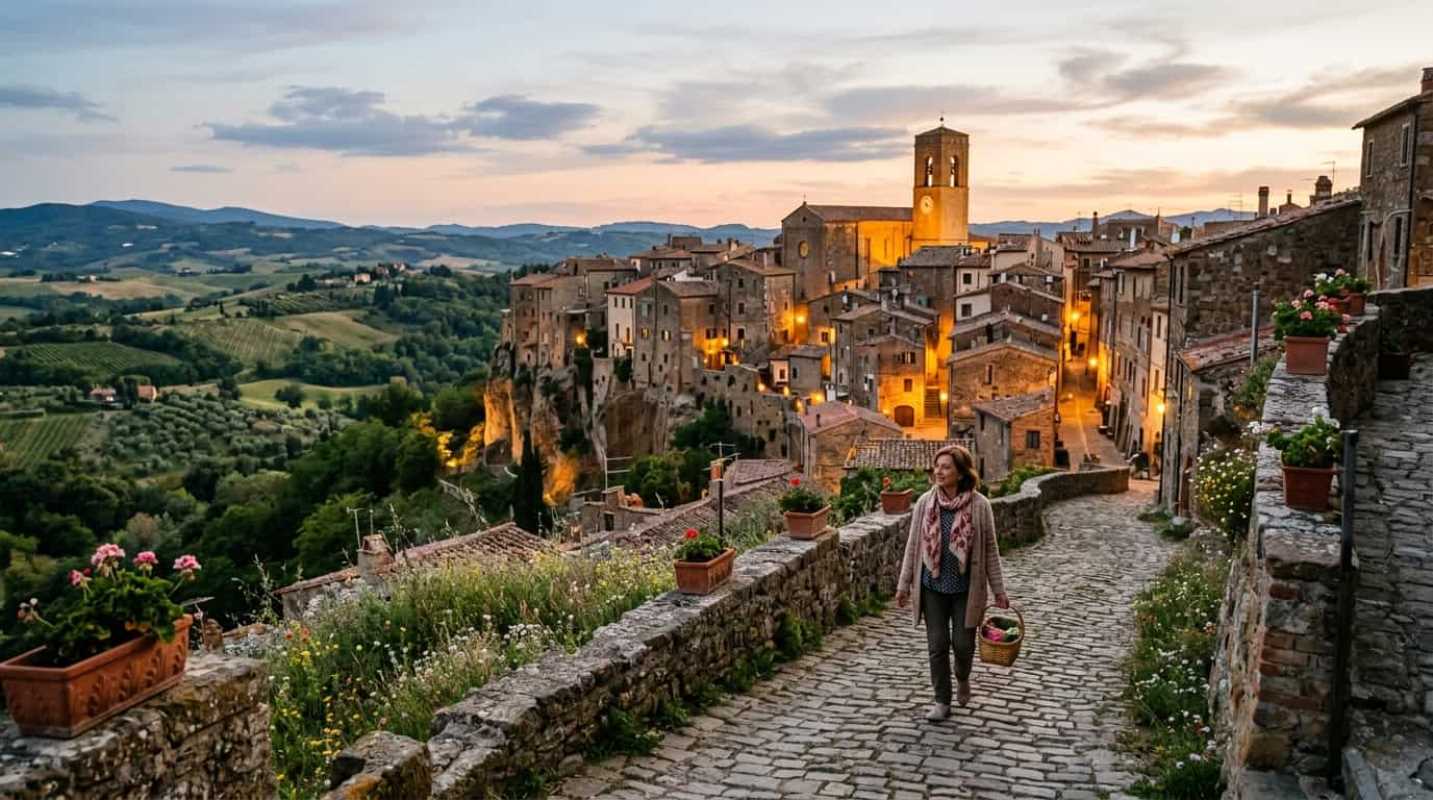
If you want a European lifestyle with beach access and a massive startup community, Lisbon is still the top choice. The D8 visa makes it easier to stay legally, even if the cost of living has gone up recently.
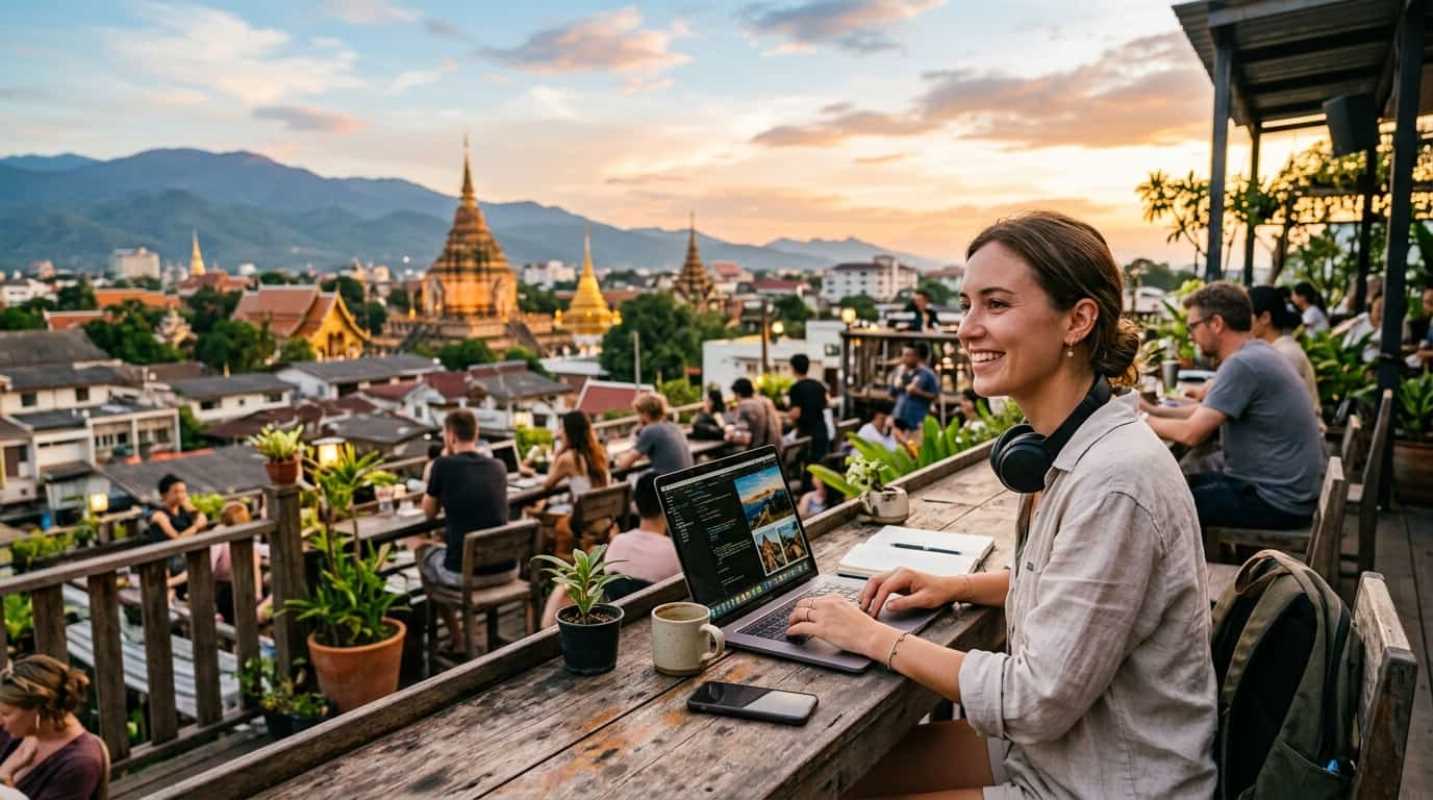
For those who want to get the most from their budget and eat world-class food every day, Thailand is hard to beat. You can choose between the high-energy streets of Bangkok or the laid-back, mountain-girt community of Chiang Mai. With the new DTV visa, staying in Thailand is easier than ever.
If you prefer to stay closer to North American time zones, Mexico City is a cultural powerhouse. Neighborhoods like Roma and Condesa are filled with leafy streets, great coffee shops, and other remote workers.
We are also seeing a major shift toward "slowmadism." Instead of hopping to a new country every month, the average nomad now stays in one place for about six months. This helps you avoid travel burnout, reduces your carbon footprint, and actually lets you become part of the local community.
Which city matches your style? Whether you want the ultra-modern convenience of Tokyo or the eternal spring climate of Medellín, the perfect remote work base is out there waiting for you.
Sources:
1. Global Digital Nomad Index
https://www.globalcitizensolutions.com/global-digital-nomad-index/
2. 20 World Cities for Digital Nomads
https://www.forbes.com/sites/jimdobson/2025/02/10/20-world-cities-for-digital-nomads/
3. Digital Nomad Visa Countries
https://www.taxesforexpats.com/articles/immigration/digital-nomad-visa-countries.html
*This article on comparer is for informational and educational purposes only. Readers are encouraged to consult qualified professionals and verify details with official sources before making decisions. This content does not constitute professional advice.*