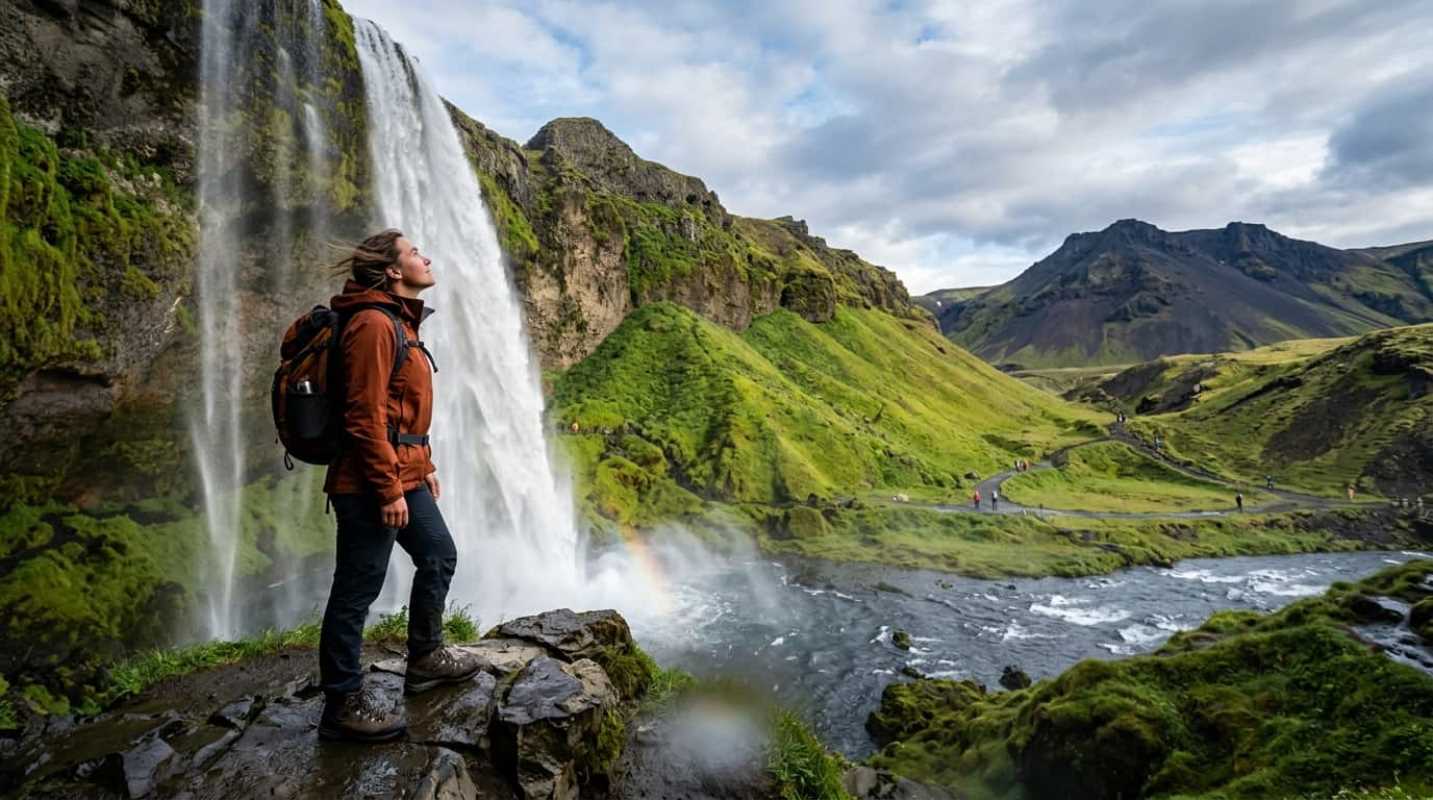
Have you ever stood on the edge of a platform, looked down at a roaring river hundreds of feet below, and thought, "Yes, this is exactly how I want to spend my Tuesday"? If so, you are not alone. New Zealand has built its entire identity on making people feel incredibly alive by pushing them just a little bit out of their comfort zones. What makes this place so special? It is the sheer variety of the geography. You can hike across a volcanic crater in the morning and surf a world-class break by afternoon.
But the real secret ingredient is what locals call Kiwi ingenuity. It is that practical, slightly mad spirit of looking at a wild river or a steep canyon and figuring out how to turn it into a playground.
The global travel scene has noticed. After a quiet few years, international travelers are back in a big way, with arrivals hitting 3.31 million and pumping 16.9 billion NZD into the local economy¹. If you are planning a trip, you are about to step into the ultimate high-octane playground. Let's look at how you can make the most of it.
Gravity-Defying Thrills and the Best Extreme Sports Options
If you want to test your nerve, your first stop has to be Queenstown. It is the spiritual home of adrenaline, and for good reason. This is where commercial bungy jumping was born back in 1988 at the Kawarau Bridge.
But if you want the ultimate test, you need to head to the Nevis Bungy. You will find yourself suspended 134 meters over a stark canyon floor. The drop gives you an 8.5-second freefall that hits speeds of over 128 kilometers per hour². It is fast, terrifying, and will set you back about 290 NZD.
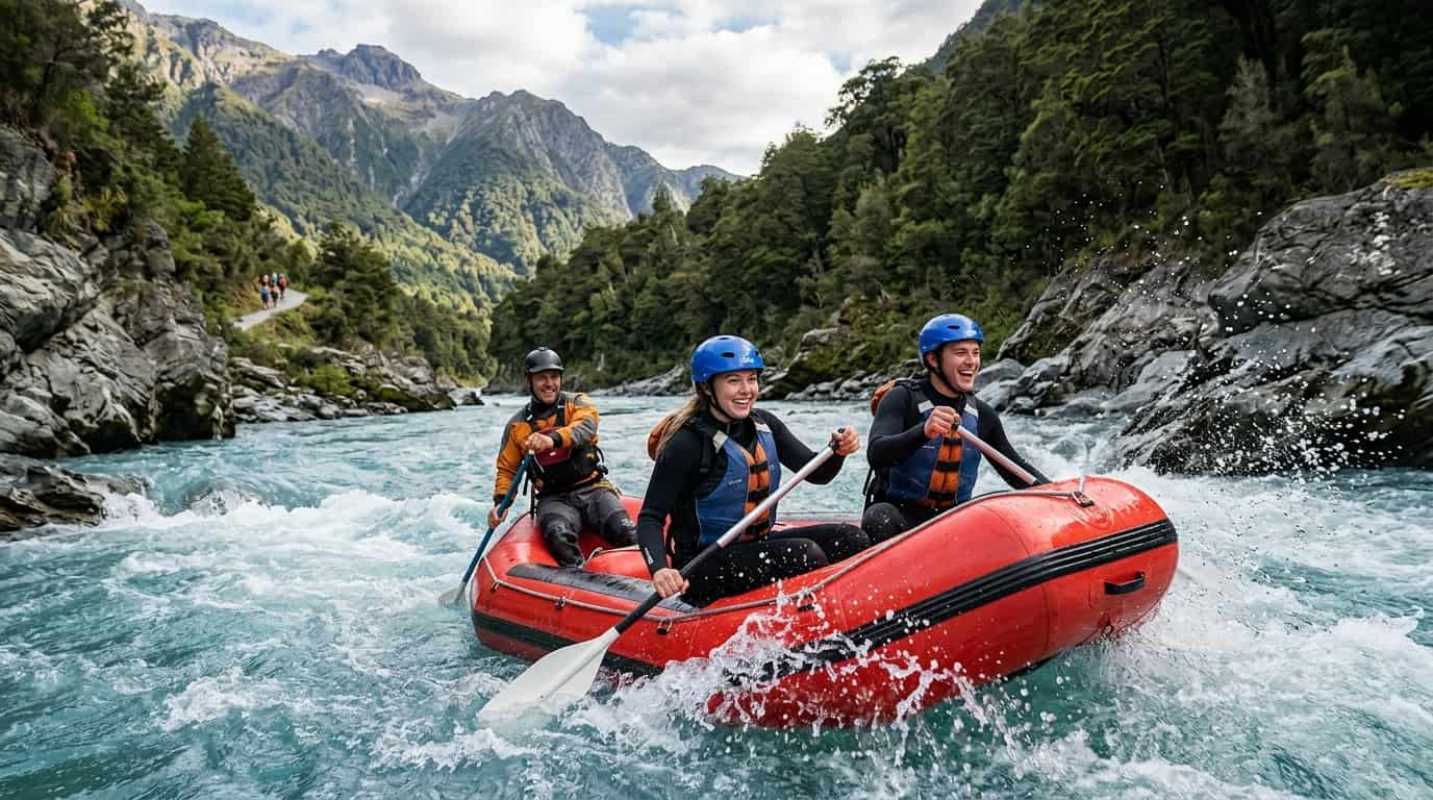
What if heights are not your thing? Do not worry, because the water sports here are just as wild. You can tackle the Kaituna River in Rotorua, which features the seven-meter Tutea Falls³. This is the highest commercially rafted waterfall on the planet. If you prefer things a bit darker, you can head underground for black-water rafting in the Waitomo Caves, where you will float through glowworm-lit caverns on an inner tube.
You might be wondering about safety. How does New Zealand keep millions of thrill-seekers safe every year? The country has some of the strictest adventure tourism regulations in the world. Operators must pass rigorous safety audits, meaning you get world-class risk management alongside your adrenaline rush.
Here are some of the absolute best extreme sports operators in Queenstown to put on your list.
• AJ Hackett Bungy NZ: This is the original crew. They offer the 43-meter Kawarau Bridge jump, the massive 134-meter Nevis Bungy, and the Nevis Swing, which drops you 70 meters before sending you on a 300-meter arc.
• Shotover Jet: Operating since 1965 on the Kimiākau (Shotover River), this company holds the exclusive rights to run high-speed boats through the narrowest parts of the canyon. Expect 360-degree spins and incredibly close calls with canyon walls.
• NZONE Skydive: If you want to jump out of a perfectly good airplane, do it here. They offer tandem jumps from up to 15,000 feet over the Remarkables mountain range, reaching speeds of 200 kilometers per hour.
• Shotover Canyon Swing: This is a 109-meter-high swing above the Shotover River. They are famous for their seventy-plus creative jump styles, meaning you can choose to go off the edge backwards, sitting on a chair, or flipped upside down.
For those looking to combine flying with ice, heli-hiking on the Franz Josef and Fox Glaciers is a must. Because climate change is constantly altering glacier access, taking a helicopter is now the only safe way to explore these massive ice formations up close. And if you want something truly quirky, head to Rotorua to try Zorbing, where you roll down a hill inside a giant, water-filled plastic ball. It is silly, wet, and incredibly fun.
Understanding the Wilderness and Needed National Park Logistics
Maybe you prefer your adventure at a slightly slower pace. If multi-day hiking is more your style, you will be spending a lot of time in national parks. The Department of Conservation (DOC) manages about 30 percent of the country's land area, and they have some rules you need to know.
First, you need to follow the Land Safety Code. This is a simple set of five rules:
1. Choose the right trip for your fitness level.
2. Understand the volatile alpine weather.
3. Pack warm clothes and extra food.
4. Share your plans using the Plan My Walk app and carry a Personal Locator Beacon.
5. Take care of yourself and your hiking partners.
If you want to walk one of the famous Great Walks, like the Milford or Routeburn tracks, you have to plan ahead. The booking system opens in May, and the most popular tracks can sell out for the entire season in literally minutes. Keep in mind that international visitors pay higher fees than locals, which helps fund conservation efforts.
You also need to respect the local environment and Māori land protocols. Always clean your boots before and after entering trails to stop the spread of Kauri Dieback disease. Pack out all your trash, and leave your drone at home. Flying recreational drones is banned in all national parks without a special permit.
Beyond the DIY and Why You Need Expert Guided Tour Recommendations
Can you travel New Zealand on your own? Of course you can. But going with a guide can turn a good trip into an unforgettable one. Local guides know the secret spots, the changing weather patterns, and the deep cultural history of the land that you simply cannot find on Google.
Whether you want a fully organized multi-sport trip or a flexible hop-on bus, there are some fantastic operators who do all the heavy lifting for you.
• Active Adventures: Best for people who want to hike, bike, and kayak with a bit of comfort. Their signature 14-day South Island trip covers sections of the Routeburn and Kepler tracks, along with sea kayaking in Okarito Lagoon.
• Haka Tours: Perfect for solo travelers and adrenaline lovers. Their 19-day tour spans both islands, combining cultural Māori experiences with the chance to add skydiving and bungy jumps along the way.
• Flying Kiwi: Great for budget-conscious travelers who love camping. They run flexible bus loops with custom vehicles carrying mountain bikes and tents, getting you into remote campsites off the beaten path.
Planning Your Ultimate Kiwi Adrenaline Trip
So, how do you actually put all of this together? The key is balance. You cannot jump off bridges and raft wild rivers every single day without burning out. Mix your high-intensity days with quieter moments, like soaking in hot pools or walking through ancient forests.
Because New Zealand is so popular, especially during the summer months from December to February, you must book your activities and accommodation months in advance. Do not assume you can just show up and get a spot on the Nevis Bungy or a flight to a glacier.
Yes, it is a long flight to get here. Yes, it takes some planning. But once you are standing in an ancient forest or soaring over a mountain peak, you will realize this is not just a holiday. It is a trip that will change how you see the world.
Sources:
1. Road Genius NZ Tourism Statistics
https://roadgenius.com/statistics/tourism/nz/
2. Bungy NZ Ventures Blog
https://bungynzventures.com/blog/
3. New Zealand Tourism Adventure Guide
https://www.nz-tourism.com/adventure-activities-in-new-zealand/