Remember the feeling of clicking into your bindings on a crisp, freezing morning? That quiet moment before you drop in is what we live for. But let's be honest. Planning a ski trip lately feels a bit like playing the weather lottery. With wild shifts in global weather, finding reliable snow is the ultimate goal. So what does this actually mean for your next winter escape? It means you have to plan smarter. You need to match the terrain to your actual skill level, not just your aspirations. There is no point booking a trip to a resort famous for vertical drops if you prefer cruising on wide, gentle groomers.
A top-tier snow sports destination needs a few non-negotiables. We are talking about guaranteed coverage, efficient lift systems that keep you moving, and that magic ingredient: a legendary social scene after the lifts close. Let's look at the absolute best spots where the powder is dependable, and the vibes are unmatched.
The Gold Standard of North American Giants
If you want massive scale and top-tier infrastructure, North America is the obvious place to start. Think of it as the heavy hitter of the ski world. The debate usually comes down to two giants: Whistler Blackcomb in British Columbia and Aspen Snowmass in Colorado.
Whistler is massive, with over 8,000 acres of skiable terrain. Thanks to the weak La Niña weather pattern that influenced recent seasons, the Pacific Northwest and British Columbia got absolutely hammered with deep, wet snow.³ This pattern brings colder temperatures and heavier dumps to these coastal ranges, making Whistler a safe bet for pure volume. Aspen, on the other hand, relies on the dry, light powder of the Colorado Rockies. You get fewer monster storm days but much higher quality snow that stays fluffy for days.
Why do these places remain the gold standard? It comes down to the sheer ease of the experience. The lift infrastructure is incredibly fast. You can access high-altitude glaciers or pristine bowls without spending your day standing in agonizing lines. Plus, the ski-in, ski-out accessibility is hard to beat.
European Elegance and High Altitude Adventure
Cross the Atlantic, and you enter a completely different world. European skiing is all about massive, interconnected lift networks where you can ski from one valley to another, sometimes even crossing international borders for lunch.
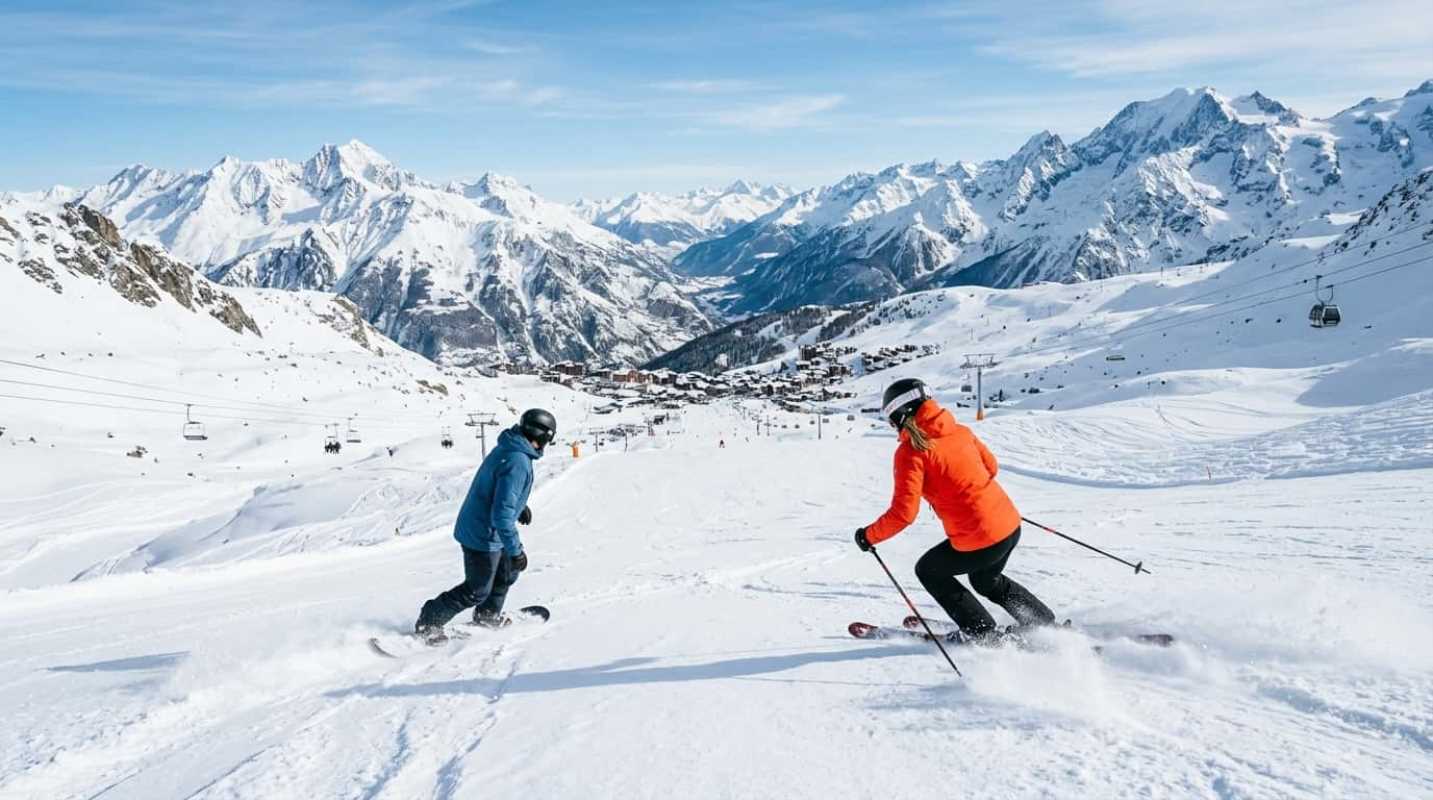
Take the French Alps, specifically Les 3 Vallées. This is the largest interconnected ski area on earth, offering 600 kilometers of pistes. In Europe, you have a choice to make. Do you want the charm of a traditional, centuries-old farming village, or the convenience of a modern, purpose-built resort hub? High-altitude spots like Val Thorens sit way up at 2,300 meters, which means you get guaranteed snow from November to May.¹ But you trade away some of that rustic, wooden-chalet aesthetic.
Then there is the legendary après-ski culture. In places like St. Anton in Austria or Val d'Isère in France, the party is practically a religion. It starts on the slopes in the middle of the afternoon. Have you ever danced on a wooden table in your ski boots while a DJ plays Euro-pop? If not, you haven't truly experienced the Alps.
Top Winter City Destinations
Let's get specific. If you are looking to book your next trip, here are the top five destinations that deliver the perfect mix of reliable snow and incredible culture.
• St. Anton am Arlberg, Austria - This is the birthplace of alpine skiing. It has 300 kilometers of marked runs and gets a massive nine meters of natural snow annually. The legendary MooserWirt bar is famous for selling the most beer per square meter in Austria. It is loud, wild, and an absolute rite of passage.
• Val Thorens, France - Sitting at a base elevation of 2,300 meters, this is Europe's highest ski resort.¹ It is incredibly snow-sure, with 99 percent of its slopes above 2,000 meters. The open-air parties at La Folie Douce start at 2:00 PM with live music and champagne showers.
• Ischgl, Austria - Often called the Ibiza of the Alps. Although it gets less natural snow than St. Anton, 90 percent of its slopes sit above 2,000 meters. The resort features a massive snowmaking system and hosts giant open-air concerts with global superstars to open and close the season.
• Whistler Blackcomb, Canada - North America’s largest resort has a massive average annual snowfall of over 10 meters. The pedestrian village is designed perfectly, letting you ski straight to the heated patio of the Garibaldi Lift Co. for a local craft beer.²
• Breckenridge, Colorado, USA - With a base elevation of 9,600 feet, the cold air keeps the snow in perfect condition. It was voted the top spot for après-ski in North America, thanks to its historic Victorian main street packed with craft breweries and salons.²
Hidden Gems and Emerging Powder Meccas
Maybe you have already checked the famous resorts off your bucket list. If you are looking for something different, the ski world is expanding rapidly.
Japan has become the ultimate pilgrimage for powder hounds. Niseko, located on the northern island of Hokkaido, gets hit with cold winds from Siberia. This creates some of the deepest, lightest, and most consistent powder on the planet. It is a completely different experience, where a day of skiing ends with a bowl of hot ramen and a soak in a natural thermal hot spring.
If you are budget-conscious, the traditional resorts in Western Europe and North America can feel painfully expensive. That is why skiers are looking toward Eastern Europe, like Bansko in Bulgaria, or heading to the Andes in South America during the Northern Hemisphere's summer. The trick is balancing these off-the-beaten-path adventures with your need for amenities. You might not get high-speed heated chairlifts, but you will get uncrowded slopes and a much lighter bill.
Planning Your Ultimate Winter Escape
Ready to pull the trigger? Planning a successful trip requires a bit of approach. Don't just book the cheapest week in January and hope for the best.
First, look at historical snowfall patterns. Early December can be risky at lower elevations, while late March often offers the best balance of deep snowpack and warm, sunny days. If you are heading to high-altitude resorts, you can safely book early or late in the season.
• Invest in the right gear - High-quality, breathable layers are far better than one heavy jacket.
• Get specialized travel insurance - Make sure your policy covers off-piste skiing and search-and-rescue. A standard policy often won't cover these.
• Book lift passes in advance - Buying day passes at the window is a financial trap. Look into multi-resort passes like Epic or Ikon if you plan to ski more than five days.
Gear Up for the Slopes
At the end of the day, the perfect winter trip is out there waiting for you. Whether you want the steep, rugged bowls of British Columbia, the high-altitude party scenes of the French Alps, or the quiet powder of Japan, there is a mountain that fits your style.
Start planning early. The best accommodations and cheapest flights for the winter season always disappear by late summer. Grab your gear, call your friends, and get ready to experience the unmatched magic of the mountains.
Sources:
1. Skiing Without Worry: Our Favourite Snow-Sure Resorts in Europe
https://www.ski-lifts.com/guides/skiing-without-worry-our-favourite-snow-sure-resorts-in-europe/
2. The Best Resorts for Après-Ski in the West
https://www.skimag.com/ski-resort-life/resort-guide-2025/best-apres-west-resort-guide-2025/?scope=anon
3. Winter Outlook 2024-2025
https://www.weather.gov/arx/winter2425outlook