Have you ever stood in the middle of Venice, shoulder-to-shoulder with thousands of selfie-stick-wielding tourists, and wondered if this is really what Italy is about? You are not alone. In 2026, the travel world is seeing a massive shift toward slow tourism. People are finally realizing that rushing through a checklist of famous monuments is a great way to end up exhausted rather than inspired.
When you skip the chaotic hubs like Rome or Florence, you'll open the door to genuine cultural connections. So what does this actually mean? It is the difference between buying a mass-produced souvenir and sharing a laugh with a local nonna who has spent her entire life in the same medieval square.
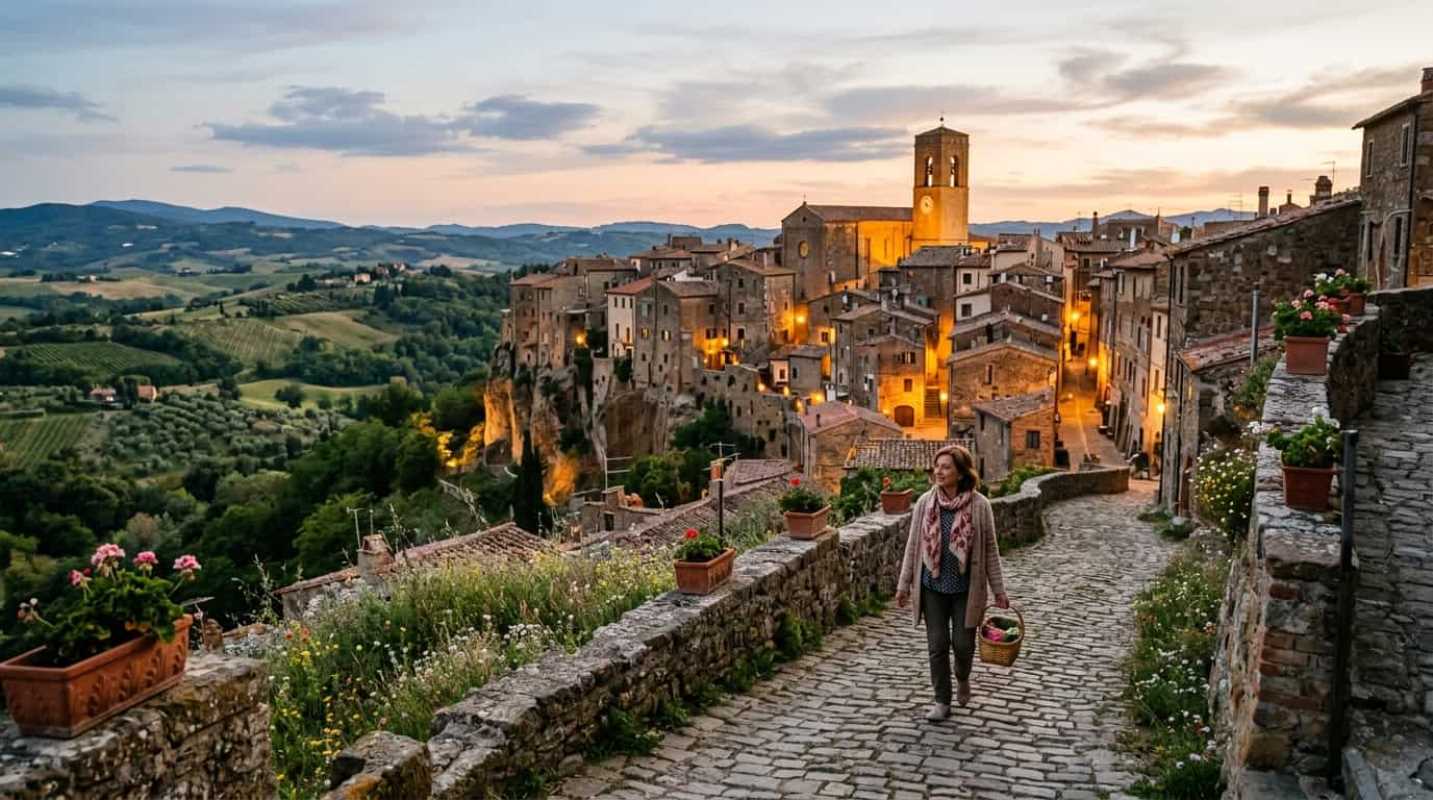
The magic of Italy lives in its lesser-known hill towns. These are places where life still moves at a human pace. The morning starts with the aroma of fresh espresso from the only cafe in the piazza, and the afternoon is reserved for quiet strolls along ancient stone walls. It is a world where history is not behind museum glass. It is under your feet.
Hidden Gems of the North Alpine Vistas and Vineyards
If you head to the northern part of the country, you will find dramatic spaces that feel a million miles away from the crowded canals of Venice. Take Asolo, like. Tucked into the lush Treviso hills, this romantic walled town is often called the City of a Hundred Horizons. It has spent centuries quietly enchanting poets, artists, and royalty.¹
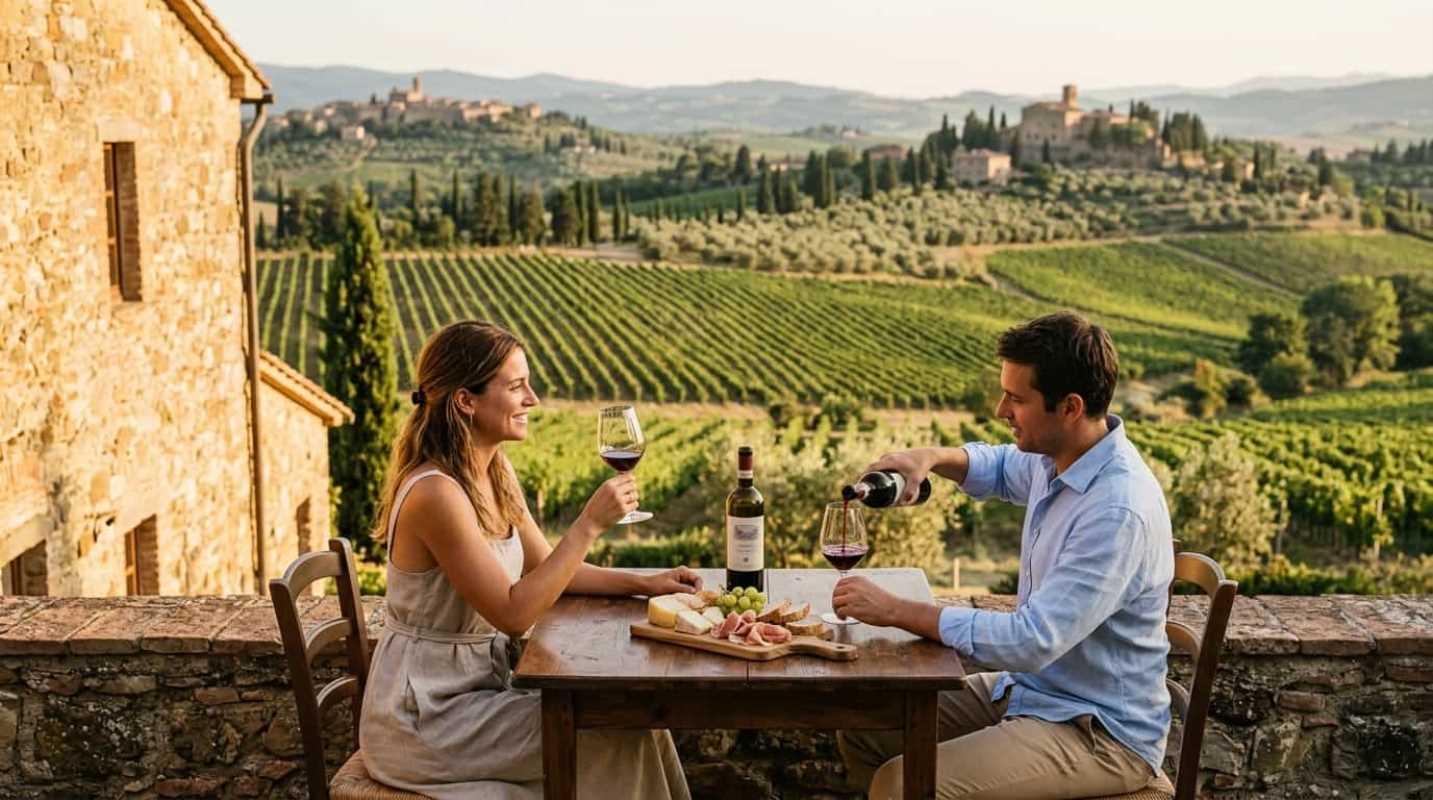
What is the main draw here for food lovers? Asolo is the beating heart of Asolo Prosecco DOCG Superiore, a sparkling wine that is much drier and more mineral-forward than the mass-market stuff you find at home. Think of it like your favorite local neighborhood joint back home, the one that does not need a sign because everyone already knows the food is great.
To eat like a local in Asolo, try these regional specialties:
• Casatella Trevigiana DOP: A soft, creamy, slightly sweet cow's milk cheese that pairs perfectly with sparkling wine.
• Venetian Bigoli: A thick, whole-wheat noodle pasta served with a rich duck ragu.
• Locanda Baggio: A highly praised spot just outside the town center that serves an elegant, creative take on traditional Venetian cuisine.
If you want to escape the lagoon crowds, Asolo is an easy day trip. You can take a 50-minute regional train from Venice to Castelfranco Veneto, then grab a quick 15-minute taxi up into the hills.
Further west in Emilia-Romagna, you will find Castell’Arquato. This dramatic stone-and-brick medieval village is dominated by a 14th-century fortress. It feels completely untouched by international tourism, even though it sits in Italy's premier food region.
The local province boasts three PDO cured meats and 17 DOC wines. You can spend an afternoon enjoying a platter of Coppa Piacentina and Salame Piacentino, paired with a glass of sparkling Gutturnio DOC red wine. Getting there is straightforward too. It is just a one-hour drive from Milan, making it the perfect escape from the busy city.
Central Italy’s Best Kept Secrets
Central Italy is famous for Tuscany and Umbria, but most tourists only stick to the famous postcard spots. That's a mistake because some of the best medieval architecture remains hidden in plain sight. These are the towns that have not been overrun by social media influencers, meaning you can actually enjoy them in peace.
Consider San Miniato, a historic stop on the ancient pilgrim route halfway between Florence and Pisa. It has incredible, crowd-free views of the Arno Valley, but its real claim to fame is culinary. San Miniato is the undisputed capital of white truffles.²
If you visit, you must try:
• White Truffle Tagliolini: Fresh white truffles shaved over simple, buttery pasta.²
• Macelleria Falaschi: A legendary, fourth-generation butcher shop operating since 1925, which serves incredible cured meats in a casual restaurant out back.²
• Mostra Mercato del Tartufo Bianco: A massive white truffle exhibition held every November, a tradition running for over 50 years.
Reaching San Miniato is incredibly simple. It is a 35-minute regional train ride from Florence, followed by a quick 10-minute local bus up the hill.
Then there is Certaldo Alto, a perfectly preserved red-brick medieval village. It is the birthplace of Giovanni Boccaccio, the famous 14th-century writer who actually wrote about the town's famous sweet onions in his masterpiece, The Decameron.³
You can taste this history by ordering Francesina, a rustic comfort food of boiled beef slow-cooked with mountains of sweet Certaldo onions and tomatoes. To get there, take a 50-minute train from Florence to the lower town, then hop on the modern funicular railway that whisks you up to the medieval center in under two minutes.
If you want the beauty of Tuscany without any of the crowds, head to Montefalco in neighboring Umbria. Known as the Balcony of Umbria, this quiet town offers sweeping 360-degree views of olive groves and vineyards. It is also the home of Sagrantino di Montefalco DOCG, one of Italy’s boldest red wines.
For an unforgettable lunch, stop by Enoteca L'Alchimista right on the main piazza. Pair a glass of Sagrantino with strangozzi al tartufo, a thick, hand-pulled Umbrian pasta tossed with local black truffles. You can reach Montefalco by taking a 75-minute train from Rome to Foligno, followed by a short bus or taxi ride.
Southern Serenity: Coastal Beauty Without the Crowds
When people think of southern Italy, they usually picture the Amalfi Coast. But let's be honest: navigating those cliffside roads alongside tour buses is not exactly relaxing. If you want true southern serenity, you need to head to the quiet villages of Puglia or Basilicata.
These regions offer a completely different pace of life. Here, the focus is on slow-paced dining and local hospitality. You might find yourself sitting at a wooden table in a shaded alley, eating handmade orecchiette pasta that was rolled by hand on a wooden board just hours earlier.
So how do you integrate these stops into a classic Italian itinerary? Think of them as your recovery days. After spending a few days walking the hard pavement of Rome or Naples, head south to a quiet hill town. Instead of a packed schedule, your only goal should be to wander the whitewashed streets, chat with the local shopkeepers, and enjoy a long, lazy lunch that stretches into the late afternoon.
How to Plan Your Off-the-Beaten-Path Adventure
Planning a trip to these lesser-known towns might seem intimidating at first, but it is much easier than you think. You don't need a rental car for everything. Italy's regional train network is excellent, and many hill towns are connected to main stations by local buses or scenic funiculars.
To make your journey smooth, keep these practical tips in mind:
• Download Trenìt!: This app is incredibly useful for tracking regional train schedules and buying tickets on the go.
• Embrace the Riposo: Many shops and restaurants in smaller towns close in the afternoon, usually between 1:00 PM and 4:00 PM. Don't fight it. Use this time to rest, just like the locals do.
• Learn Basic Italian: You won't find English menus everywhere. Learning how to say please, thank you, and asking for the bill goes a long way in earning a warm smile.
At the end of the day, traveling this way requires you to let go of strict schedules. The best moments in Italy are almost always unplanned. It is the wrong turn that leads to an empty piazza, or the quiet conversation with a winemaker who invites you to try a vintage that is not even on the menu. Step off the beaten path and let the country surprise you.
Sources:
1. Lovetovisititaly
https://lovetovisititaly.substack.com/p/italys-most-rewarding-small-town
2. Emiko Davies
https://www.emikodavies.com/san-miniato-dining-and-white-truffle-guide/
3. Fondazione Slow Food
https://www.fondazioneslowfood.com/en/slow-food-presidia/certaldo-onion/