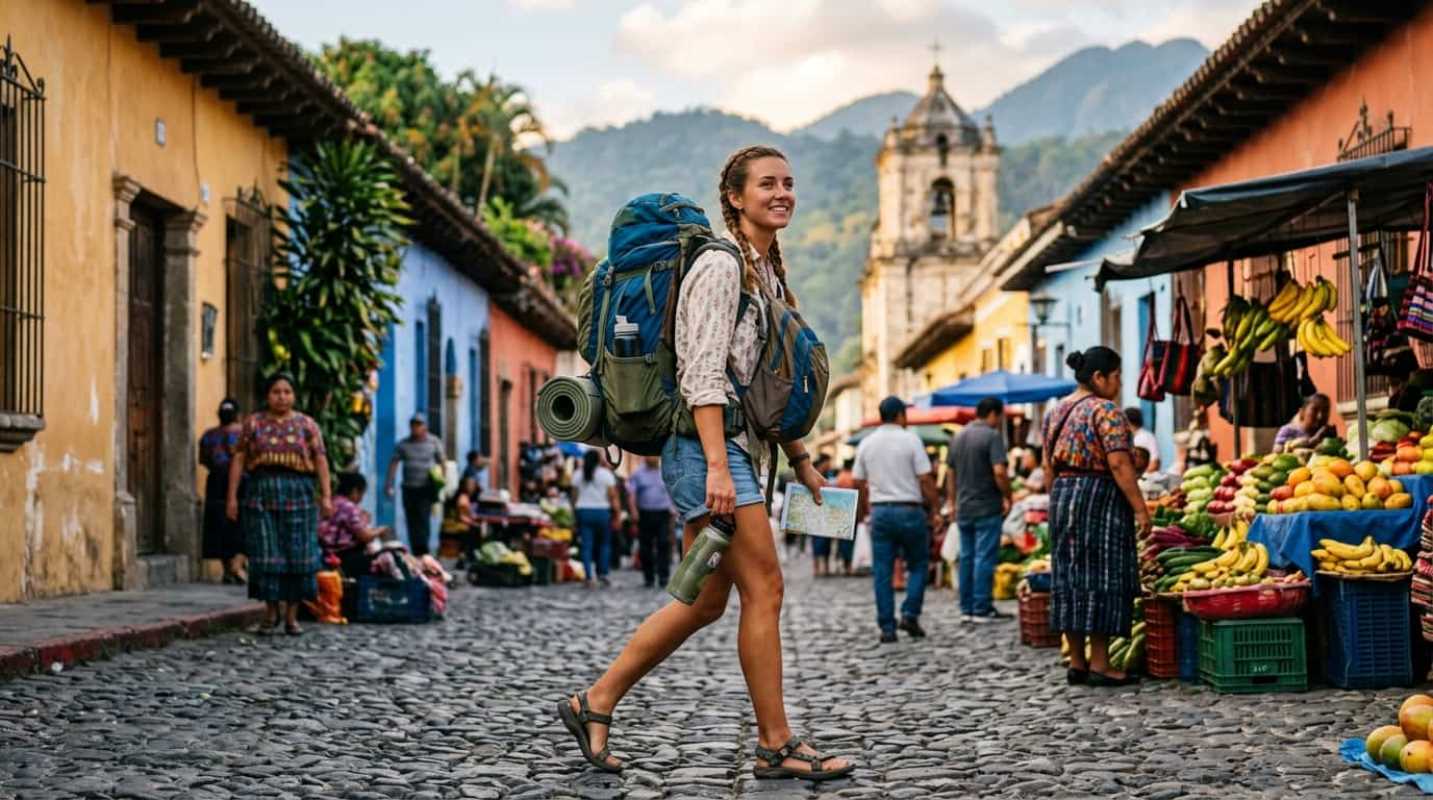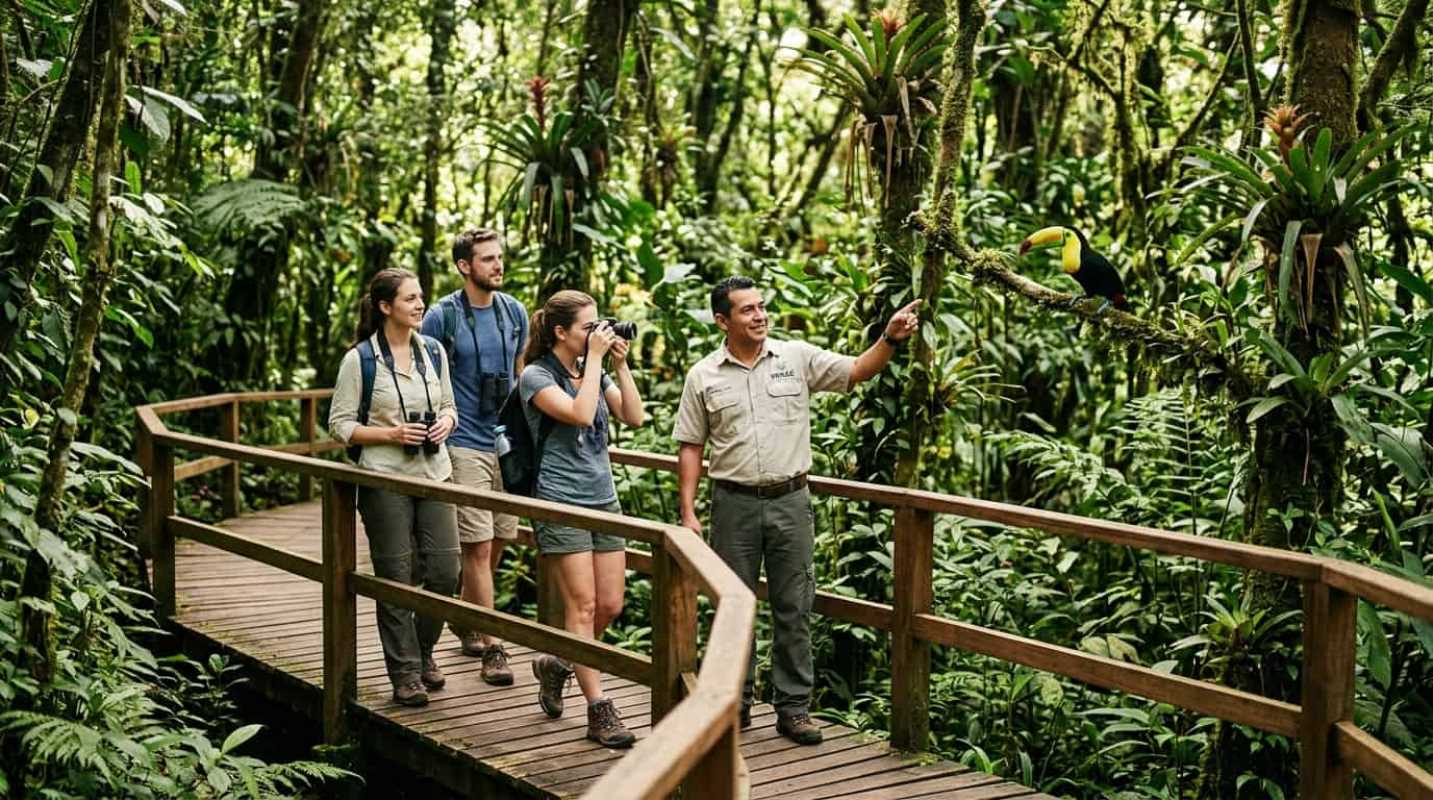
Have you ever planned a vacation only to feel a pang of guilt about the crowded beaches, the towering concrete resorts, and the strain on local resources? Many of us have. But there is one place that decided to do things differently. Costa Rica went from a quiet Central American escape to the world leader in green travel. It all comes down to a phrase you hear the moment you land: Pura Vida. Although tourists often use it as a simple greeting, it is actually a national philosophy. It is a focus on living in harmony with the natural world.
Unlike destinations that try to pack in as many tourists as possible, Costa Rica uses a high-value, low-volume approach.¹ They want travelers who stay longer, spend more, and care about their impact.
The numbers show this plan is working. By the end of 2025, Costa Rica welcomed 2,689,278 international visitors by air, which was a tiny 1% increase over 2024.² But look at the revenue. Tourism brought in a record 5.543 billion dollars in 2025.² That momentum surged right into 2026, with the first quarter of the year generating over 2 billion dollars in tourism revenue for the first time in the country's history.³
So, how do they pull this off without ruining the very nature people come to see?
The Backbone of Sustainability: Eco-Lodge Certifications
If you have ever booked a green hotel online, you might have wondered if it was just clever marketing. Costa Rica tackled this issue head-on by creating the Certification for Sustainable Tourism, known as the CST.
Managed by the tourism board, this program rates businesses on a scale of one to five levels, which locals refer to as leaves. It is a strict system that grades businesses on how they handle their environmental and social duties.
The CST looks at four key areas to make sure businesses are doing the real work:
• Physical-Biological Parameters: This measures how a business interacts with the local environment, like protecting native wildlife and planting trees.
• Infrastructure and Services: This looks at internal management, including water conservation, energy-saving systems, and waste disposal.
• External Client: This tracks how well the business educates you, the traveler, and invites you to join their green efforts.
• Socio-Economic Environment: This rates how the business helps nearby communities, focusing on fair wages and local hiring.
This system helps you make informed choices. It also makes financial sense for the owners. Research shows that highly rated CST hotels in communities with ecological awards can charge prices up to 70% higher than uncertified properties. The government also rewards certified businesses with marketing help and free access to major international travel fairs.
Unlike many global labels that only certify hotels, the CST is open to car rentals, tour operators, travel agencies, and restaurants. This creates a clean supply chain where green tour operators naturally choose to book green hotels.
Creating Your Carbon-Conscious Journey
How do you build a green itinerary when you visit? It is actually much easier than you think because the country is set up for it.
First, the electrical grid runs on more than 98% renewable energy. Whether your hotel uses solar, wind, or geothermal power, your daily energy use is exceptionally clean.
You can also easily offset your travel. The National Chamber of Ecotourism runs a program called Climate Conscious Travelers. It lets you calculate the carbon footprint of your flights and buy offsets that fund local tree-planting and forest recovery projects.
When you plan your days, try to shift your focus from simply seeing sights to making a positive impact. Here is how you can do that:
• Support local owners: Choose family-run lodges and local guides instead of massive international corporations.
• Seek out community tourism: Visit rural cooperatives where your money goes directly to local families.
• Choose slow travel: Stay longer in one region instead of rushing across the country in rented cars.
Beyond the Brochure: Tangible Conservation Success Stories
Costa Rica protects more than 25% of its territory through national parks and reserves. This small country is home to roughly 6% of the world's biodiversity. But protecting all this life takes real work and innovative technology.
Like, national park visitor numbers rose by 33% over the last decade. To manage this crowd, the Costa Rica National Parks Foundation launched a digital platform called EverData. This tool tracks real-time impacts like waste, emissions, and foot traffic. It turns that data into funding that goes directly back to local communities.
Over on the Osa Peninsula, a group called Osa Conservation is building a massive climate-adaptive biological corridor. They use satellite data to restore forests from the Pacific lowlands up to the high-elevation Amistad National Peace Park. This project helps protect over 75% of the country's biodiversity from climate change.
You can experience this regenerative approach firsthand at several unique spots.
• Rancho Margot: This Arenal eco-lodge grows its own organic food, generates its own power with micro-turbines, and recycles all its wastewater.
• Punta Leona: This coastal resort uses a small voluntary fee from guest bookings to fund local wildlife projects, which helped bring back the endangered scarlet macaw.
• The Reef Project: This marine initiative in Playa Blanca uses artificial reefs to restore fish populations and offers educational diving trips.
• Cóbano Preserve and Marina Tambor: A large development on the Nicoya Peninsula designed to support local fishers and restore dry forests.
The Future of Responsible Adventure
At the end of the day, the success of this green movement rests on the choices you make. As a traveler, you hold the power with every dollar you spend.
Traveling responsibly is no longer just a trend for 2026. It is a necessity for the survival of the world's most beautiful places. When you choose to support businesses that care for the earth, you help protect these ecosystems for future generations.
So, why not make your next vacation count? Pack your bags, choose a certified lodge, and go discover what Pura Vida is really about.
Sources:
1. TravelMole - Costa Rica High Value Tourism
https://travelmole.com/news/costa-rica-high-value-tourism
2. The Tico Times - Costa Rica Tourism Comeback
https://ticotimes.net/2026/05/19/costa-ricas-tourism-comeback-as-record-high-season-follows-modest-2025-growth
3. A.M. Costa Rica - Costa Rica Sets First Quarter Tourism Record
https://amcostarica.com/Costa%20Rica%20News%20Costa%20Rica%20Sets%20First%20Quarter%20$2%20Billion%20Tourism%20Record%20071526.html