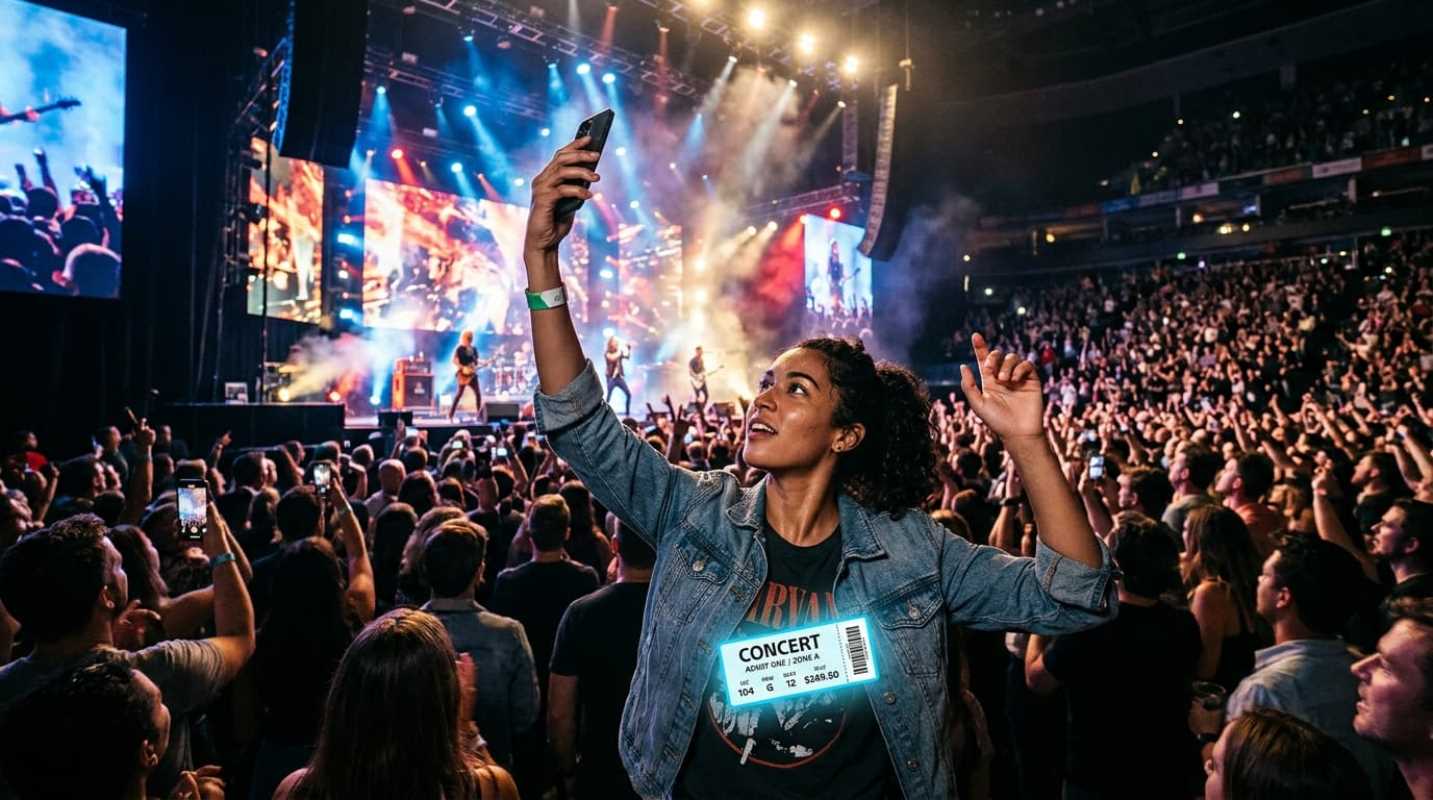
Do you remember digging thirty-five dollars in crumpled cash out of your wallet for a general admission ticket? You walked up to the box office, grabbed a physical stub, and walked straight into the crowd. Try doing that today. You will open an app, wait in a virtual queue with eighty thousand other stressed fans, and watch a nosebleed seat ring up for $220 before fees. If you want to stand on the floor for a superstar stadium tour, you might need to budget a week of pay.
Ticket prices have skyrocketed over the past few years, leaving music fans wondering where all their money is going. Between 2019 and 2024, the average worldwide ticket price for top-tier tours climbed nearly 50%, jumping from around $92 to an all-time high of nearly $136.¹ Stadium shows jumped even higher, averaging over $216 per ticket in 2025.
So what happened? The concert industry did not just get greedy overnight. A mix of shifting tour economics, aggressive algorithms, platform monopolies, and secondary market markups completely rewrote the rules of live music.
The New Reality of the Live Music Economy
Live music used to function as a giant promotional tour for albums. Artists hit the road to convince you to buy a vinyl record, cassette, or CD at your local record store.
Streaming changed all of that. Today, artists earn fractions of a cent per stream, often between $0.003 and $0.005. Unless you are pulling in billions of streams every month, recorded music pays the bills for only a lucky few. For everyone else, touring is the primary income stream. That reality puts immense pressure on live dates to fund an entire career.
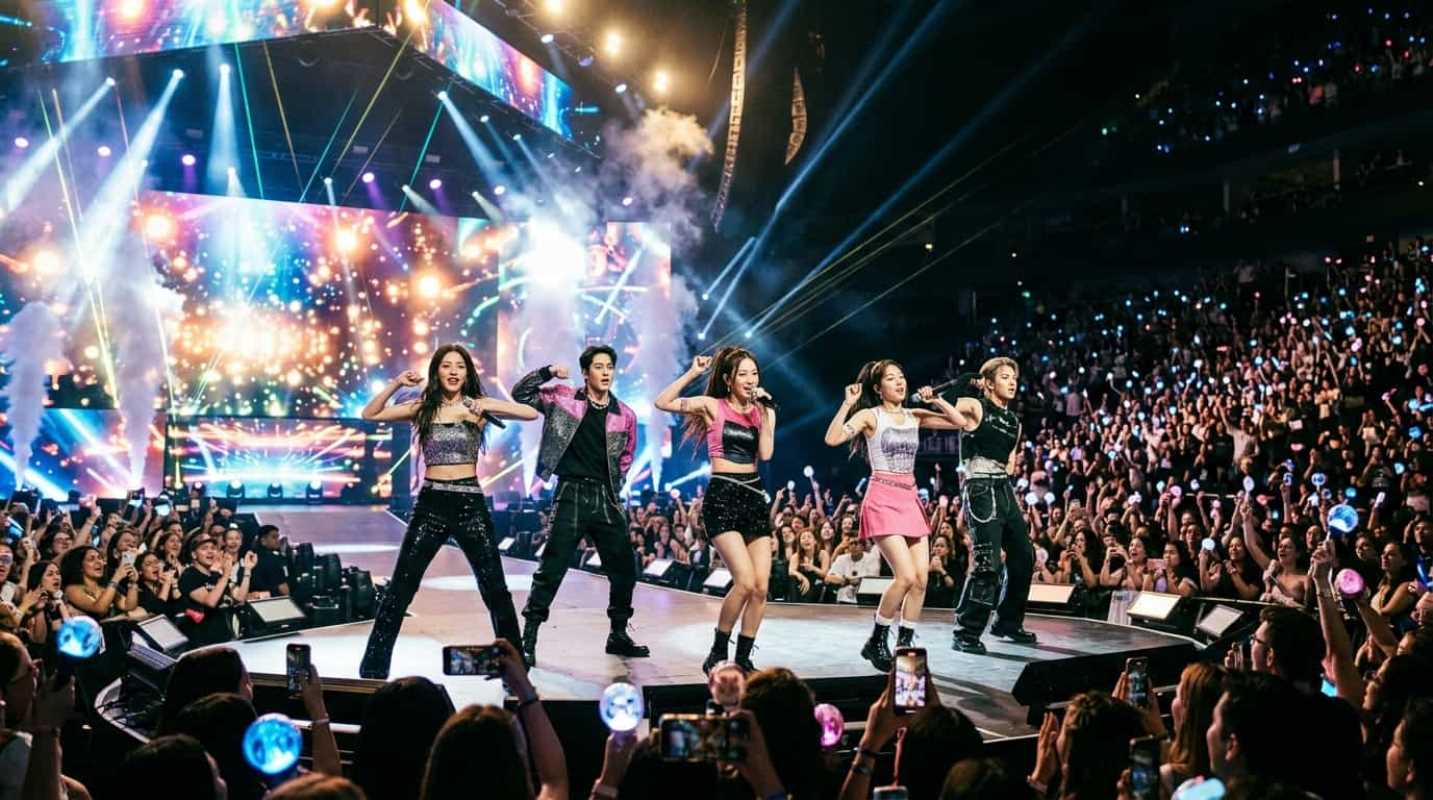
At the same time, the actual cost of putting on a live show exploded. Between equipment shipping, tour bus rentals, diesel fuel, and crew wages, the hard costs of touring jumped by 30% to 50% following the pandemic. A mid-tier arena production that used to fill six semi-trucks now routinely requires ten or twelve. Fans do not just want a band on a stage anymore. They expect towering LED walls, pyrotechnics, moving platforms, and high-tech stage designs.
Audiences also treat live concerts as must-see cultural events. In our modern experience economy, people will skip buying clothes or eating out for a month just to catch a single tour. Promoters know this, so they price tickets at whatever the ceiling of that demand will tolerate.
The Algorithm at Work and Dynamic Pricing
If you have ever watched a ticket jump from $150 to $450 while sitting in your checkout basket, you have met dynamic pricing.
Ticketmaster calls it Official Platinum or In-Demand pricing. It works just like airline seats or ride-share surge pricing.² Computer algorithms track demand in real time. If millions of people enter a waiting room at ten in the morning, the system notices the frenzy and automatically increases the base ticket price.
Promoters and ticketing companies defend this practice by pointing to ticket scalpers. For decades, touts and professional brokers bought face-value tickets and flipped them on resale sites for three times the price. Promoters argue that dynamic pricing keeps that extra cash with the artists and venues rather than handing it to secondary brokers.
The trouble is how it feels on the consumer end. You think you are lining up for an advertised $150 ticket, but by the time you reach the payment screen, you are forced into an auction-style bidding war against millions of strangers. We saw this blow up during the Oasis reunion ticket launch, where fans waiting in queues for hours saw standard standing tickets surge from £148 to over £355 at checkout.
The Hidden Tax of Resale Markets and Fees
Even when face-value tickets seem somewhat reasonable, the final checkout screen delivers another punch: auxiliary fees.
Primary ticketing platforms regularly tack on facility charges, service charges, and processing fees. An analysis of major primary sales revealed that these extra charges average close to 29% of face value.³ That means your $100 seat becomes roughly $129 before tax.
If you miss out on the initial sale, things get even pricier. Secondary platforms like StubHub, Vivid Seats, and SeatGeek run on a double-sided fee structure. They take a 10% to 15% cut from the seller, and then turn around and charge the buyer a fee ranging anywhere from 20% to 38%. On a $100 resale ticket, the platform can pocket upwards of $50 just for helping the digital transfer.
For years, platforms used drip pricing, hiding these costs until the very last screen so you were too invested to cancel. New federal rules and state laws across the United States have forced companies toward all-in upfront pricing. You can now see the total price immediately, but transparency alone does not make the fees any smaller.
The problem is deepened by market dominance. Live Nation and Ticketmaster control an estimated 70% to 80% of major venue primary ticketing. That level of market control limits competition and leaves fans with few options when fees climb.
Addressing Fan Frustration and Finding Alternatives
The growing ticket backlash has caught the attention of regulators. The U.S. Department of Justice and dozens of state attorneys general pushed forward antitrust litigation against Live Nation, challenging exclusive venue deals and seeking to restore competition to live ticketing.
Although the legal battles play out, smart concertgoers are finding creative ways to see live music without breaking the bank. Many music lovers are redirecting their cash toward independent clubs and smaller regional theaters. Although arena seats average well over $130, independent venues with capacities under 750 people still charge around $35 for an intimate, high-energy show.
You do not have to give up on seeing your favorite acts, but you do need to be strategic. Joining artist fan clubs to grab presale codes is far safer than buying on general sale day. You can also skip third-party resellers and wait for official fan-to-fan face-value ticket exchanges, which cap resale prices at original face value.
Top Recommendations for Ticket Buyers
• Use Face-Value Resale Portals: Stick to official, artist-approved exchange platforms where ticket markups are forbidden by contract.
• Buy at the Venue Box Office: If you live near the amphitheater or arena, walk up to the physical window to avoid hefty online convenience fees.
• Wait Until Show Day: Resale prices often crash in the final three hours before stage time as brokers scramble to cut their losses.
The Future of Concert-Going
Will prices ever come back down to earth? Probably not for the biggest stadium acts. The gap between superstar tours and local club shows will likely widen. The biggest tours will remain luxury entertainment, while club tours will keep serving everyday music lovers.
Still, we may see pricing stabilize. High ticket prices have pushed fans to their financial limits, leading to softer ticket sales for mid-tier tours that got too ambitious with pricing. Promoters are learning that fans will not pay stadium rates for an arena act.
Live music is one of the most rewarding communal experiences we have left. Keeping it accessible requires real competition in ticketing and a renewed respect for the audience. Until structural reforms take hold, staying informed and shopping smart is your best defense against soaring costs.
Sources:
1. Average Concert Ticket Price
https://www.callboard.fm/blog/average-concert-ticket-price
2. Dynamic Pricing Is Everywhere: Here's How It Really Works
https://news.darden.virginia.edu/articles/dynamic-pricing-is-everywhere-heres-how-it-really-works
3. Ticket Fees and Pricing Rules
https://www.ibtimes.co.uk/ticket-fees-us-uk-pricing-resale-rules-1830682