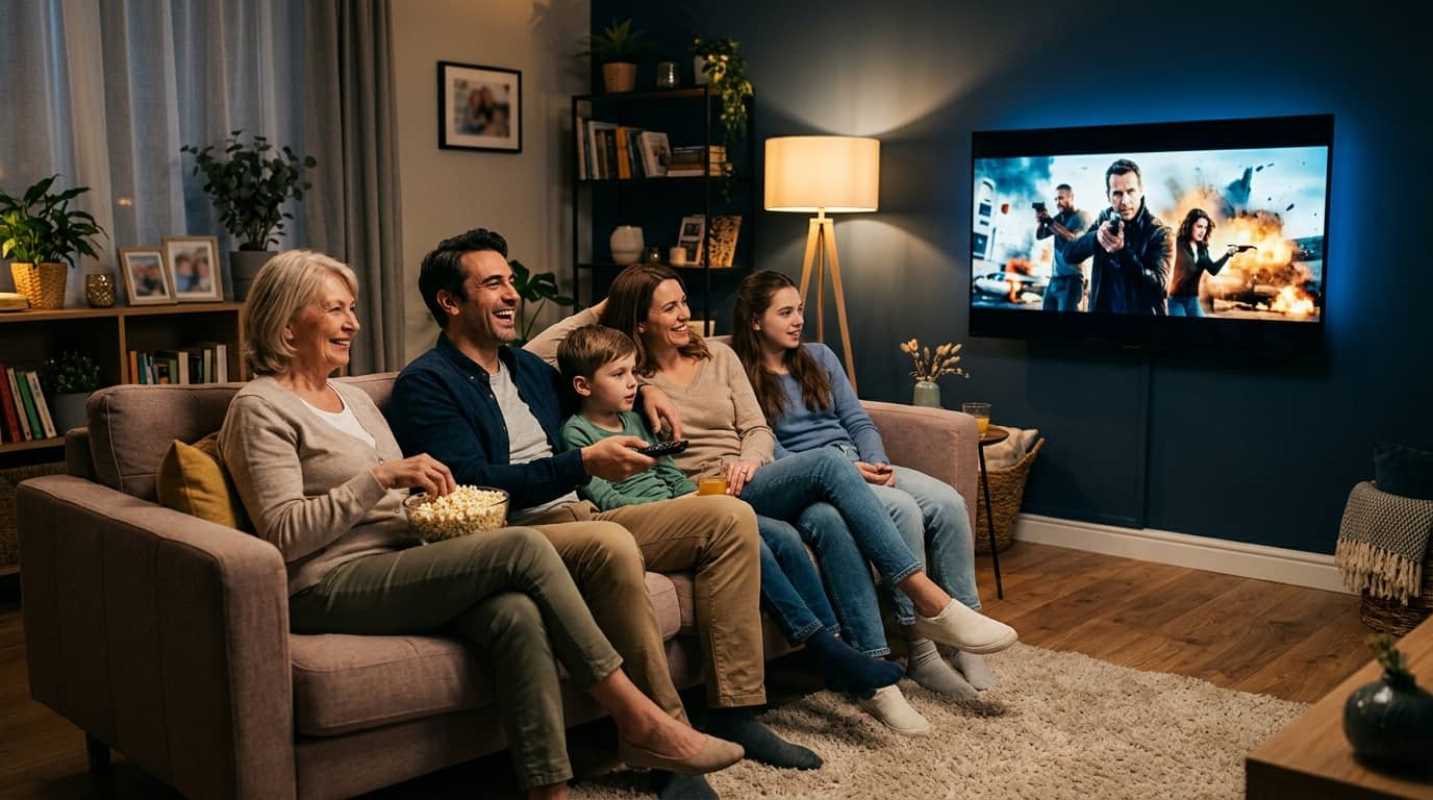
Picture this: you get home after an exhausting nine-hour workday, staring at spreadsheets, navigating traffic, and dealing with endless notifications. Do you really want to boot up a high-stakes shooter where a teenager screams through your headset while you get eliminated sixty seconds into a match?
For millions of people, the answer is a hard no.
Over the last few years, a massive shift has rippled through gaming culture. Although high-octane battle royales and punishing action games still hold their ground, an entirely different kind of experience has taken center stage. Cozy games, built around low stakes, gentle exploration, and warm aesthetics, have transformed from a niche indie curiosity into a powerhouse market valued near a billion dollars.¹
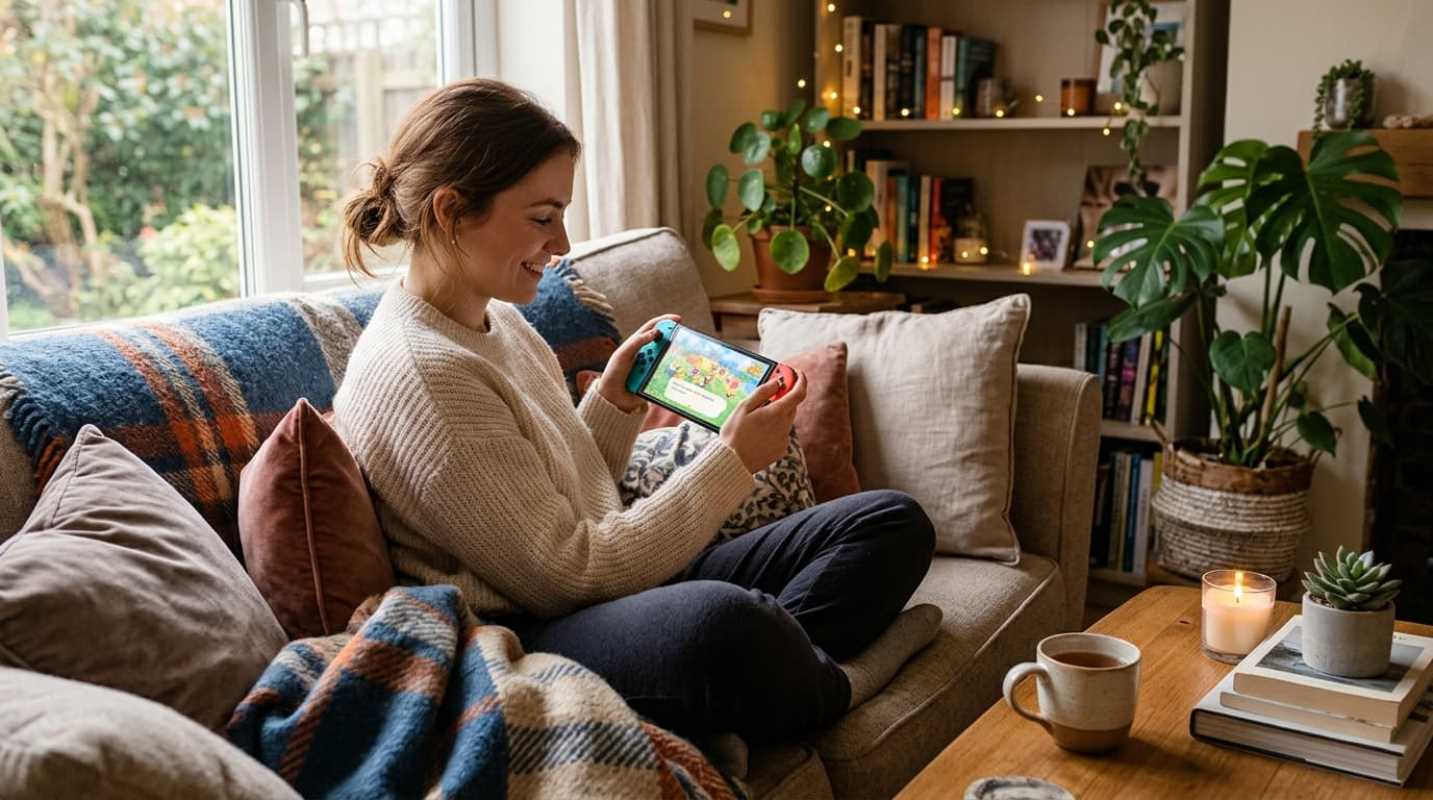
So what actually defines a cozy game? At its heart, the genre strips away traditional gaming anxieties like ticking death clocks, twitch reflexes, and punishing failure. Instead, it invites you to brew tea, tend virtual crops, decorate cottages, and talk to charming neighbors. In 2026, choosing low-stakes gameplay is a conscious form of self-care. It provides an antidote to an overstimulated, burnout-heavy world.
The Psychology of Play and Why We Need a Digital Escape
Have you ever wondered why repeatedly watering virtual onions or sorting digital books feels so soothing? The explanation lies in how our brains handle stress and attention.
Modern life demands constant directed attention. Your job, phone alerts, and daily responsibilities drain your executive functioning until you feel mentally depleted. Environmental psychologists call the counter to this state "soft fascination." Cozy games trigger soft fascination through gentle, rhythmic tasks that capture your interest without demanding heavy mental effort. When you clear weeds or arrange stones in a garden, your brain finally gets the breathing room it needs to recharge.
There is also the relief of pure autonomy. In your daily routine, you constantly answer to bosses, landlords, and tight schedules. In a cozy title, you hold complete control over your time
• Zero Scarcity: Resources do not vanish, and you never face sudden starvation or ruin.
• Frictionless Progress: Every small effort you put in yields a visible, rewarding result.
• Safe Failure: Missing a harvest or taking an extra day to finish a task carries no harsh penalty.
Surveys show that 57% of players deliberately use low-stress titles to manage real-world anxiety and mental health.² These games operate as digital third places, which are casual social spaces outside of home and work where you can hang out without spending money or proving your worth. When the outside world feels chaotic and expensive, having a warm, predictable pocket universe makes a world of difference.
Popular Titles and Growing Communities
The cozy explosion did not happen overnight. Although Animal Crossing: New Horizons and Stardew Valley kicked the door wide open, the genre has expanded far beyond simple farming simulators. Steam data shows that games tagged as cozy surged from just 25 titles in 2020 to well over 600 in recent years.³
Recent standouts show just how inventive the genre has become
• Gridless Builders: Games like Tiny Glade and Summerhouse ditch grid systems and resource costs entirely. You simply click to place stone walls, watching ivy grow, and lanterns pop up automatically.
• Retro Life Sims: Smash hits like Fields of Mistria mix classic pixel nostalgia with modern relationship building and active town life.
• Ambient Companions: Rusty's Retirement showed that players love split-screen farming sims that quietly run along the bottom of their screen while they work from home.
The culture surrounding these titles feels completely different from traditional gaming spaces. If you browse cozy gaming circles on TikTok, YouTube, or Discord, you will not find trash talk, leaderboard flexing, or toxic gatekeeping. Instead, you will see players sharing home layout designs, swapping color palettes, and showing off serene desk setups with ambient lighting and mugs of tea. Low-stress games turn social media into a supportive hangout rather than a competitive arena.
The Aesthetics and Mechanics of Cozy
What makes a game feel like a warm sweater? Game designers rely on specific visual and mechanical choices to lower your heart rate the moment a title boots up.
Visually, these games lean into rounded corners, hand-painted textures, and pastel or warm earth tones. You will rarely find harsh neon red damage indicators or abrasive visual clutter. The audio design matches this softness, relying on lo-fi hip-hop beats, gentle acoustic guitars, ambient rainfall, and satisfying little clicks when you click an item into place.
The biggest mechanical departure from mainstream gaming is the removal of the dreaded "Game Over" screen. In typical action titles, failure wastes your time by sending you back to a checkpoint. Cozy games treat failure gently. If you stay out past midnight in Stardew Valley, you do not die; you simply wake up in your bed with slightly less energy.
This blend of productivity and zero risk creates a deeply satisfying loop. You get the psychological pleasure of crossing items off a to-do list, like cleaning a room or building a fence, without any of the real-world exhaustion that comes with physical chores. It satisfies our natural urge to build, organize, and create without adding another drop of pressure to our lives.
The Evolution Toward Calmer Play
Some critics once dismissed the cozy wave as a temporary trend tied to stay-at-home routines, but the numbers prove otherwise. The cozy games market continues to expand toward an estimated 1.4 billion dollars by 2032.¹ Major studios are taking notice, adding dedicated peaceful modes and non-violent exploration options to survival and adventure games that once relied purely on danger.
This evolution highlights a healthy shift in how we view interactive media. For decades, video games prioritized reflex speed, conquest, and power fantasies. Today, players recognize that emotional regulation and comfort are just as worthwhile. Games do not always need to test your survival instincts; sometimes they just need to help you unwind.
If you have spent your week running on fumes, permit yourself to step away from the noise. Pick up a controller, fire up a quiet game, and let yourself get lost in planting a digital meadow. You do not need to win every battle to have a great time playing.
Sources:
1. Cozy Games: The $1.5 Billion Gaming Trend Built on Wellness, Not Winning
https://nerdsthatgeek.com/gaming/cozy-games-the-15-billion-gaming-trend-built-on-wellness-not-winning
2. The Rise of Cozy Gaming
https://www.bryter-global.com/blog/the-rise-of-cozy-gaming
3. The Cozy Game Boom Is the Clearest Trend on Steam Over Five Years of Data
https://www.pcgamer.com/games/life-sim/the-cozy-game-boom-is-the-clearest-trend-on-steam-over-five-years-of-data/