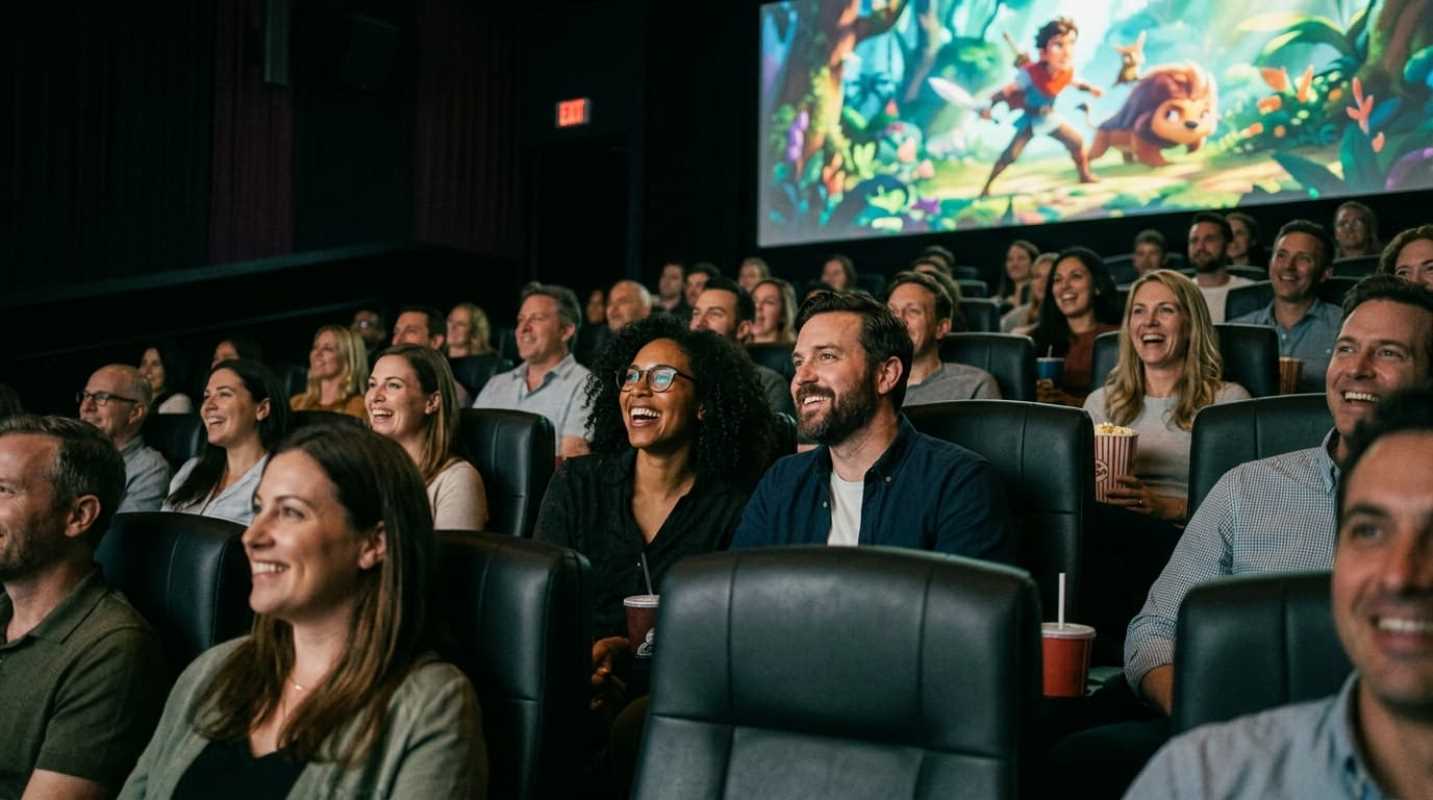
Remember when award shows were actual events? You would gather with friends, order pizza, and talk about the winners at work the next morning. It was the ultimate watercooler moment. Today, that shared cultural experience is practically gone. The shift from linear TV to streaming has completely dismantled the must-watch culture. When everyone is watching different things on different platforms, we lose the monoculture. It is hard to care about an award ceremony when you have not even heard of the nominated shows.
Audience fragmentation has diluted the shared cultural impact of these ceremonies. Instead of a single, massive audience sharing a moment, we have millions of tiny, isolated groups watching their own niche favorites. The magic of a unified television event has slipped away.
The Cord-Cutting Impact on Live Broadcasts
Think about the last time you actually turned on a traditional cable box. If you are under 30, the answer is probably never. Cord-cutting is a massive, quiet shift that is draining the life out of live television.
In 2025, the rate of cord-cutting among U.S. pay-TV providers sat at a steep 4.9% decline. This means millions of households do not even have access to the basic broadcast networks where these shows air traditionally. Virtual live TV services are growing, but they are not replacing the lost viewers fast enough.
The age gap is becoming impossible to ignore. According to the National Research Group, the average viewer of the Oscars, Emmys, Grammys, and Golden Globes is now over 50 years old. Gen Z and Millennials simply do not consume live, linear television.
This has forced a transition from traditional Nielsen ratings to multi-platform engagement models. Networks are desperately trying to count mobile, tablet, and PC streaming views just to keep advertisers happy. But the reality is clear: award shows are struggling to capture younger demographics who have never owned a cable box.
The Rise of Social Media Clip Consumption
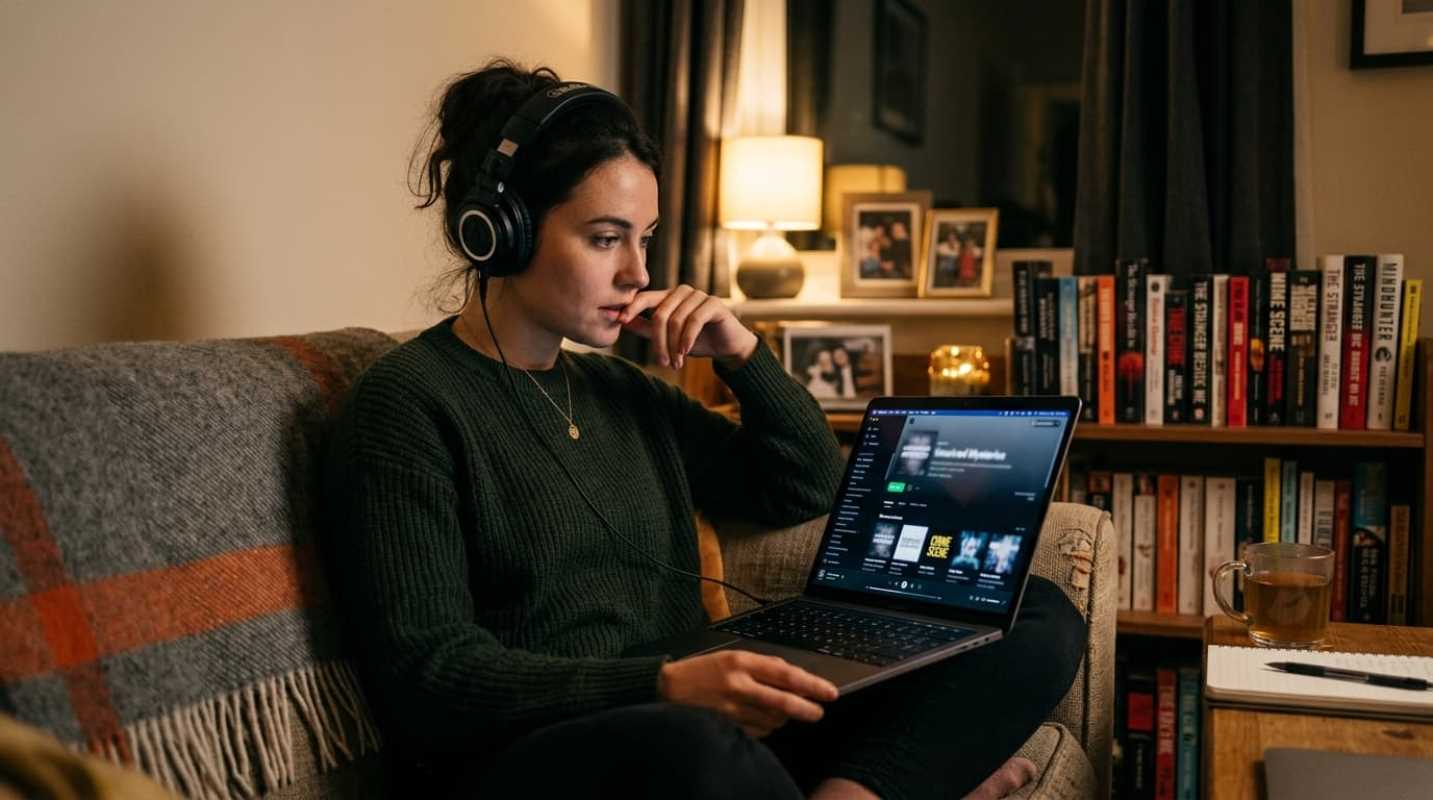
Why would you sit through a bloated, three-hour broadcast when you can get the best parts on your phone in thirty seconds? That is the question millions of viewers ask themselves every award season.
We live in a highlight culture. You do not need to watch the whole show to see the viral speech, the awkward joke, or the stunning red carpet dress. It all lands on TikTok, Instagram, and other social platforms in real-time. Platforms have inadvertently cannibalized the full-show viewing experience.
During the 2025 Primetime Emmy Awards, host Nate Bargatze joked that winners should save their thank-yous for social media because more people would see it there anyway. He was right. Look at the 2026 Oscars. Although the television broadcast dropped 9% to 17.9 million viewers, the Academy's social media impressions surged by 42% over the previous year to more than 184 million views.¹
As college student Emily Cypher put it, sitting for hours to watch people you might not even know is boring when you can just search for the video of your favorite artist later.² This second screen effect means viewers are skipping the first screen entirely.
Social media has also ruined the mystery of celebrity. When you can see your favorite stars posting daily on Instagram, the novelty of seeing them gather in a ballroom completely wears off. The stars are no longer elusive, and the show is no longer special.
The Disconnect Between Hollywood and the Public
Let's be honest. Have you actually heard of half the movies and shows winning awards lately? There is a massive, growing divide between what Hollywood celebrates and what normal people actually watch.
A study by the National Research Group found that 53% of consumers believe award show judges are completely out of touch with mainstream tastes. Popular, highly-viewed teen and young-adult dramas are routinely ignored by Emmy voters in favor of obscure prestige dramas.
Then there is the credibility issue. The Grammys faced huge backlash in 2025 when Taylor Swift was shut out despite six nominations, and Beyoncé's country album sparked intense gatekeeping debates.
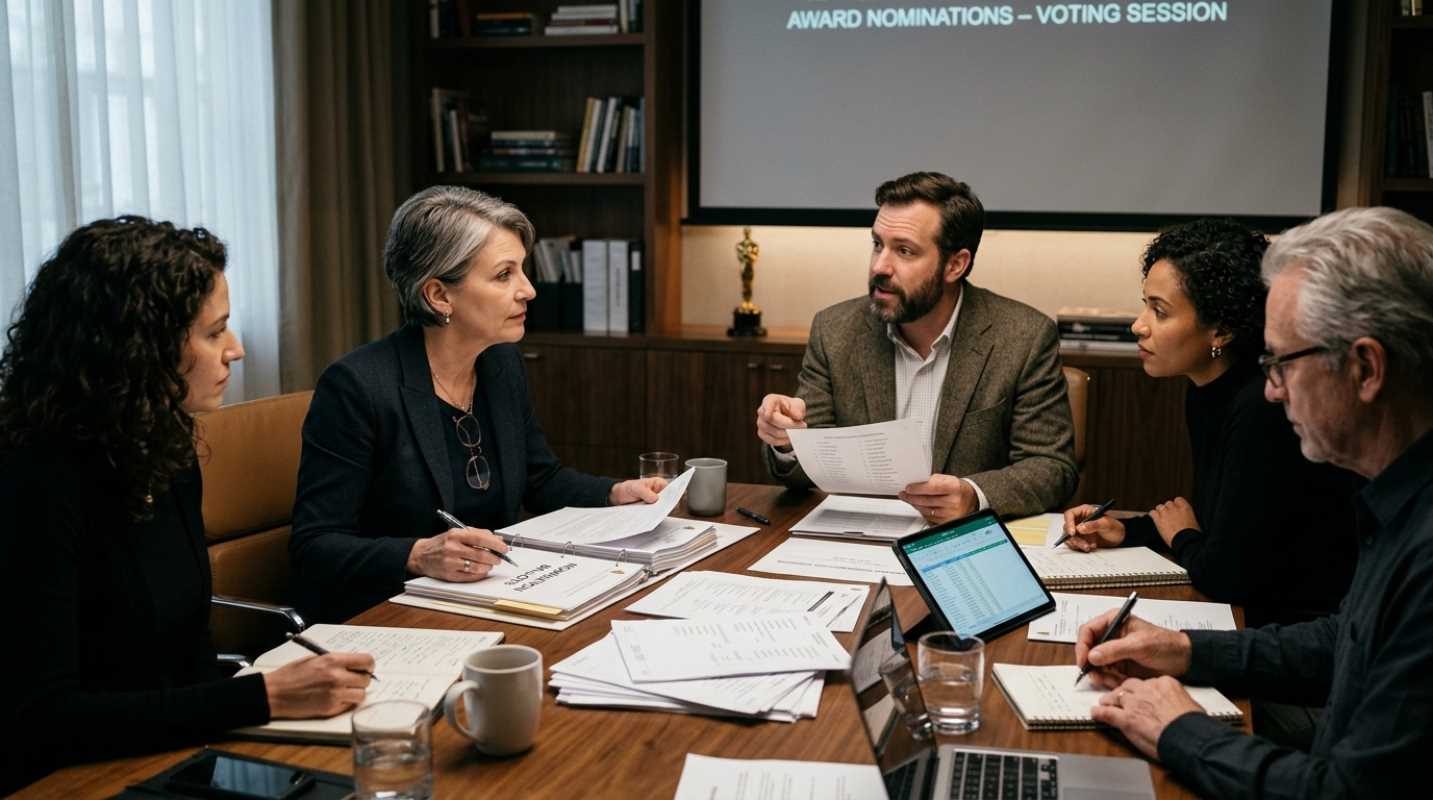
The Oscars had their own mess in late 2025. It turned out that Academy members were not even required to watch all nominated films before voting. They had to change the rules for 2026 after voters admitted they had not even watched major nominees like The Brutalist. When the voting process feels like an insular club, viewers lose interest.
Can Award Shows Survive the Digital Shift?
So, where do we go from here? Are award shows doomed to fade into complete obscurity?
Do not be fooled by occasional, minor bumps in the ratings. When the Emmys climbed to 7.4 million viewers in 2025, or when the Oscars hit 19.7 million in 2025, network executives celebrated. But those are just tiny blips on a twenty-five-year downward slide.
The hard numbers tell the real story. The 2026 Golden Globes fell 7% to 8.66 million viewers.³ The 2026 Grammys dropped to 14.4 million. The 2026 Oscars hit a four-year low of 17.9 million viewers.¹ Compare that to 1998, when 57.2 million people tuned in to watch Titanic sweep the Oscars.
Award shows used to be the undisputed kings of appointment television. Today, that title belongs solely to live sports. Award shows are routinely cannibalized by sporting events. Like, the 2026 Oscars faced unexpected competition from the World Baseball Classic semifinal, which drew a record 7.37 million viewers. The Emmys are even forced to rotate networks and dates annually to avoid directly competing with the NFL's Sunday Night Football.
As media analyst Bill Brioux pointed out, because the entertainment world is dominated by streaming, the broadcast business model is fundamentally broken. There is barely a business reason to show it on television anymore.
Organizers are trying interactive elements, live-streaming partnerships, and heavy social media integration. The future of these prestigious ceremonies is not on a cable channel (it is on your phone).
Top Recommendations for Following Award Season
If you still want to keep up with the glitz and glamour without losing half your Sunday night, you have options. Here are the best ways to experience the awards on your own terms.
• Use Social Media Aggregators: Platforms like X and Instagram are perfect for catching the big moments as they happen.
• Watch Official YouTube Channels: Major academies upload acceptance speeches and red carpet highlights almost instantly.
• Read Next-Day Summaries: Entertainment blogs provide quick, witty recaps that save you hours of screen time.
Sources:
1. Oscars telecast ratings fall 7% to 18m viewers
https://www.theguardian.com/film/2025/mar/04/oscars-telecast-ratings-fall-7-to-18m-viewers
2. Do the award shows reflect the public opinion? The downfall of many award shows
https://lohsgrizzlygazette.com/4684/entertainment/the-award-shows-are-losing-popularity/
3. TV audience for Golden Globe Awards telecast drops 7% from last year
https://www.latimes.com/entertainment-arts/business/story/2026-01-13/tv-audience-for-golden-globe-awards-telecast-drops-7-from-last-year