Have you noticed how hard it is to sit through a perfectly polished, highly scripted TV show or commercial these days? You are not alone. In 2026, we are witnessing a massive cultural shift. The era of glossy perfection is over. Audiences are actively craving vulnerability and raw truth. Think about it. When was the last time a perfectly staged ad actually made you want to buy something? Exactly. We want to see the sweat, the mistakes, and the unedited chaos.
Think of it like looking at a restaurant kitchen. We have developed a massive appetite for the process itself, rather than just the final, wrapped-up product. We want to see behind the curtain, and streaming platforms are delivering exactly that.
The Strategic Shift From PR to Go Moment Marketing
This shift has completely changed how companies talk to us. Traditional commercials are dying. Instead, brands are adopting what industry insiders call "go moment marketing." They are opening up their doors and letting cameras capture unpredictable, high-stakes situations in real time.
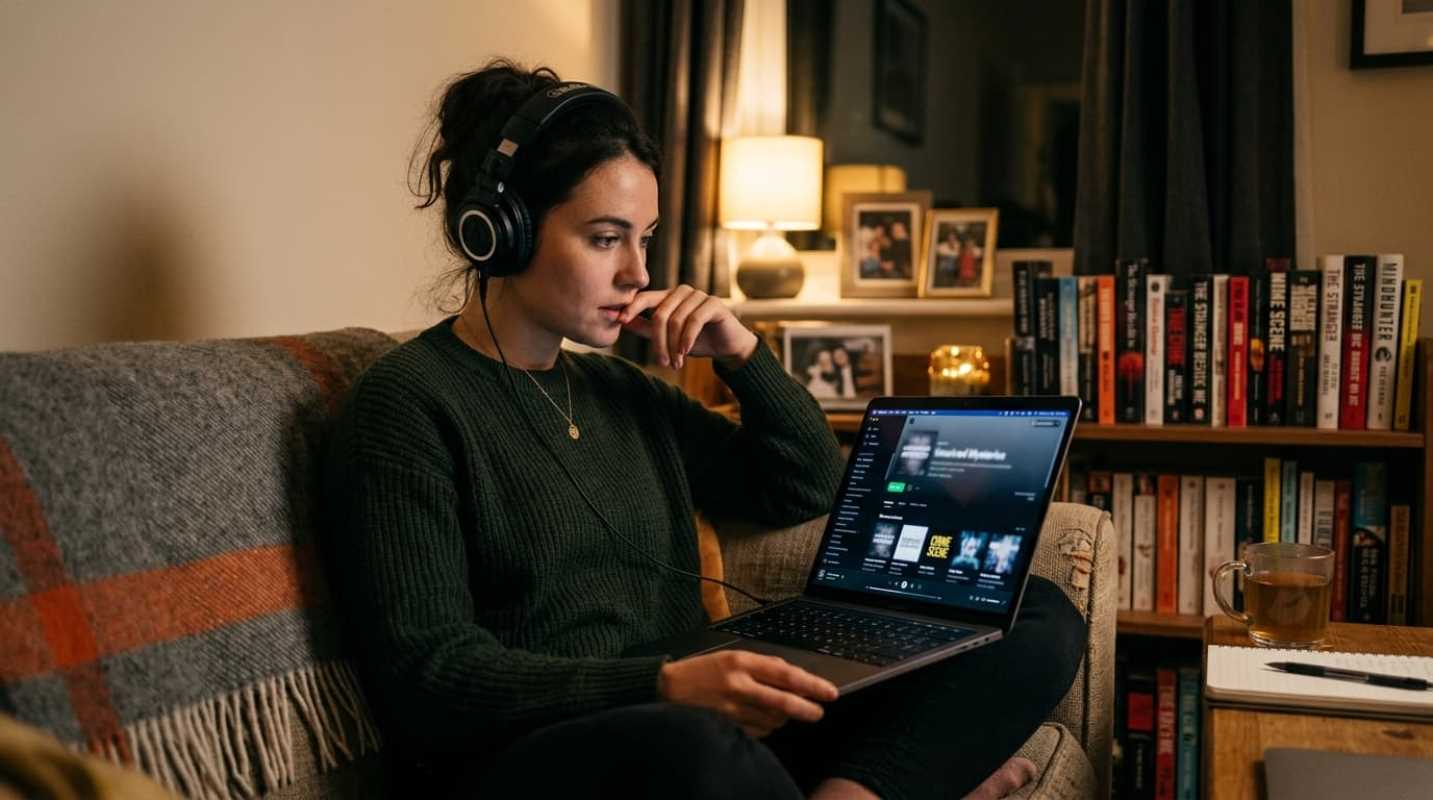
It is a smart play. Rather than buying a 30-second slot that you will skip in five seconds, brands are funding high-quality, story-driven documentaries. It allows you to opt in to stories that spark your curiosity, rather than forcing you to watch an ad you hate.
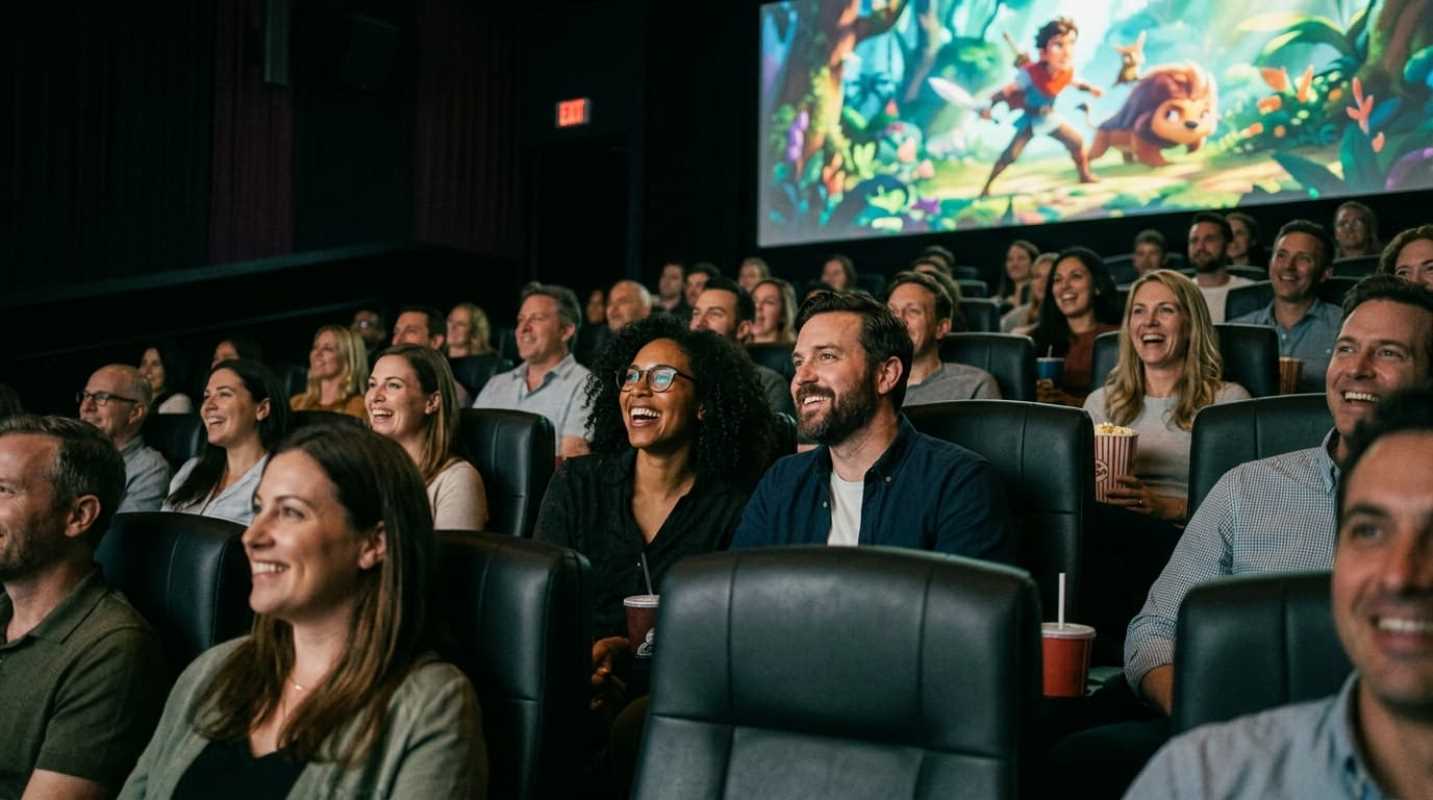
Just look at how the entertainment industry is adapting. Major brands are literally becoming the movie studios.
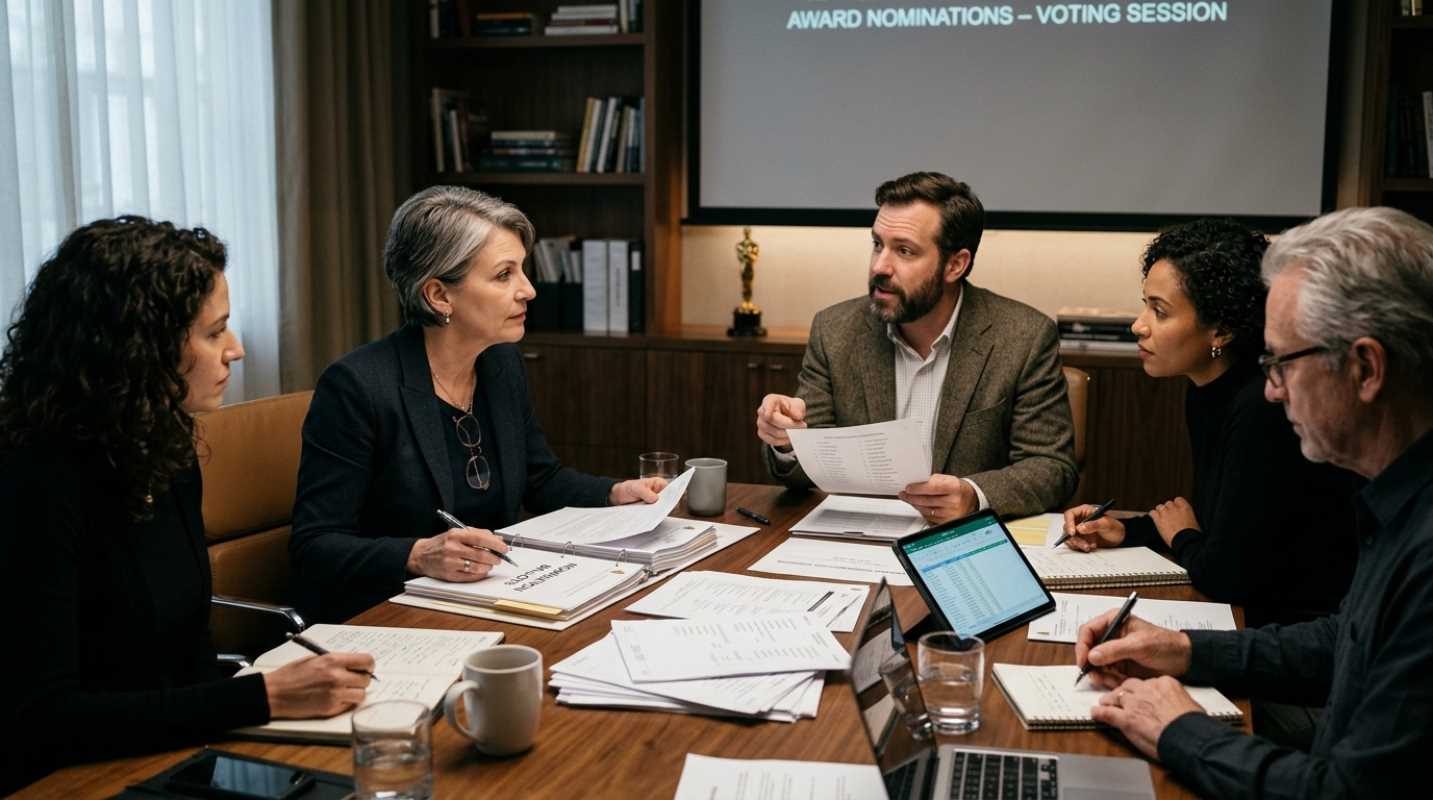
• Saint Laurent: Co-produced the importantly acclaimed movie Emilia Pérez, showing that luxury fashion can successfully fund mainstream, award-winning cinema.¹
• Procter & Gamble: Partnered with Juniper Networks to produce the documentary Black Girls, which found a home on Peacock.¹
• E.l.f. Cosmetics: Launched its own entertainment arm, producing Vanity Vandals to lean into real, messy consumer habits.¹
This is not traditional PR. It is a way to build long-term narrative trust by letting us see how things actually happen.
The Brand Transparency Appeal
Why does this work so well? It comes down to the brand transparency appeal. Modern viewers, especially Gen Z and Millennials, are incredibly skeptical of corporate talk. We want to see the receipts. We want companies to show their work.
The data backs this up. A Deloitte study showed that 73% of consumers are more likely to engage with brands that actively show how their products are made.² On top of that, 81% of Gen Z expect brands to be open about their business practices, believing that transparency is just as important as the quality of the product itself.²
When a company shows its raw, imperfect moments, it humanizes them. Think of Nike releasing unedited footage of athlete training sessions, complete with raw moments of injury and recovery. Or Patagonia publishing exact cost breakdowns of materials and labor alongside their actual sustainability struggles.
It turns out that admitting you are not perfect is the ultimate loyalty driver. An IBM report found that 68% of global consumers are willing to switch brands to support one that offers real transparency.² Even better, companies that practice this kind of radical honesty see a 34% improvement in customer confidence.² It makes sense. When you stop hiding the messy parts, people start trusting you.
Docuseries Production Trends Shaping the Industry
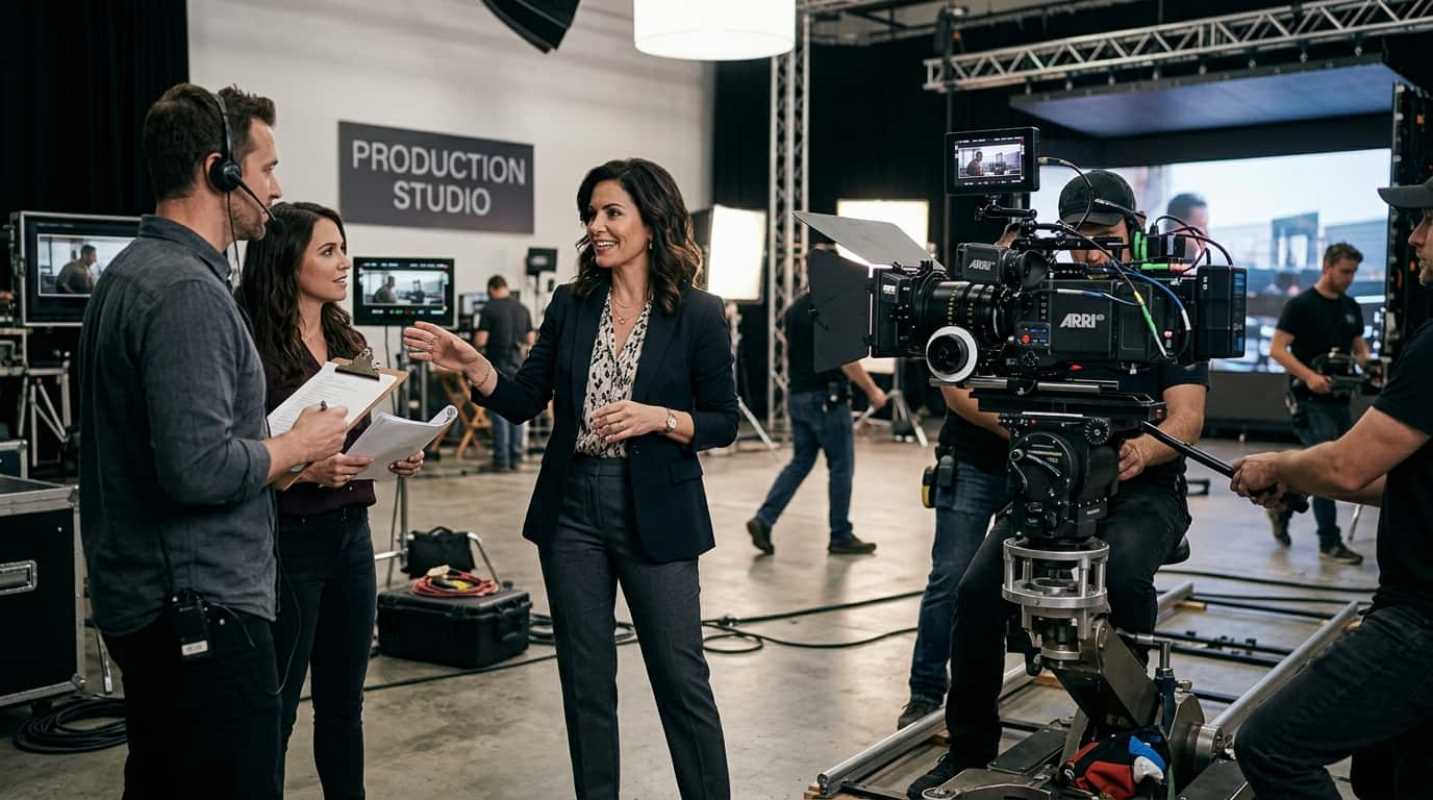
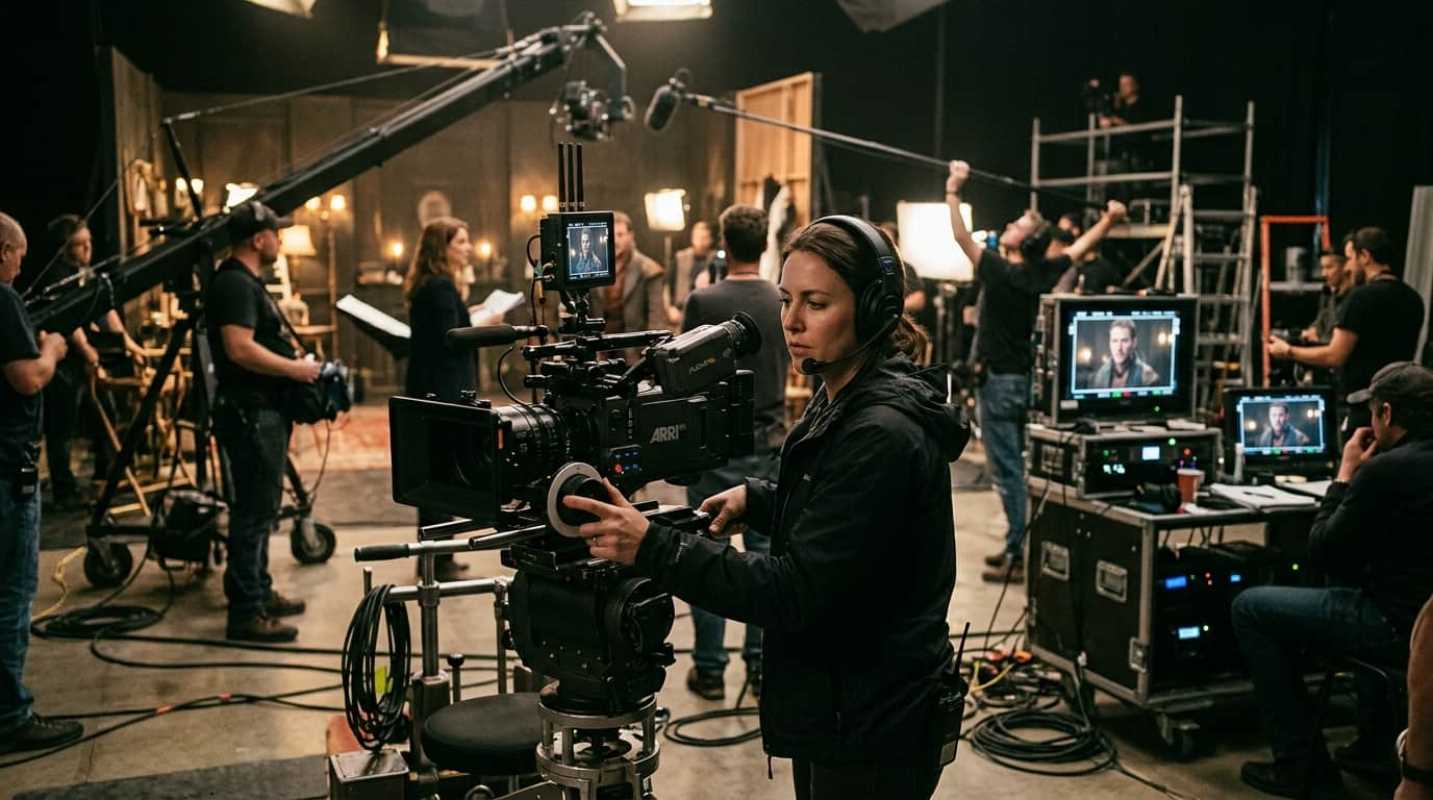
The way these stories are filmed has also evolved. We have moved far beyond the shaky, low-quality home video style of early reality TV. Today, behind-the-scenes content uses cinematic storytelling with massive budgets and top-tier production values.
How big is this trend? The global documentary market is projected to reach $20.7 billion by 2033, up from nearly $13 billion in 2024.³ Streaming giants like Netflix and Amazon allocated a combined $4.1 billion specifically to documentary budgets to keep up with our demand.³
Sports and lifestyle content are absolutely dominating. In fact, sports-adjacent content now accounts for 12% of all commissioned documentaries, which is a massive jump from just 3% a few years ago. Although the legendary Formula 1 series Drive to Survive saw a slight dip to 10.4 million views in early 2025, other shows have picked up the slack.
• Simone Biles: Rising: Captured 12.5 million views on Netflix during the Paris Olympics.
• America's Sweethearts: Dallas Cowboys Cheerleaders: Drew 6.4 million views for its second season in mid-2025.
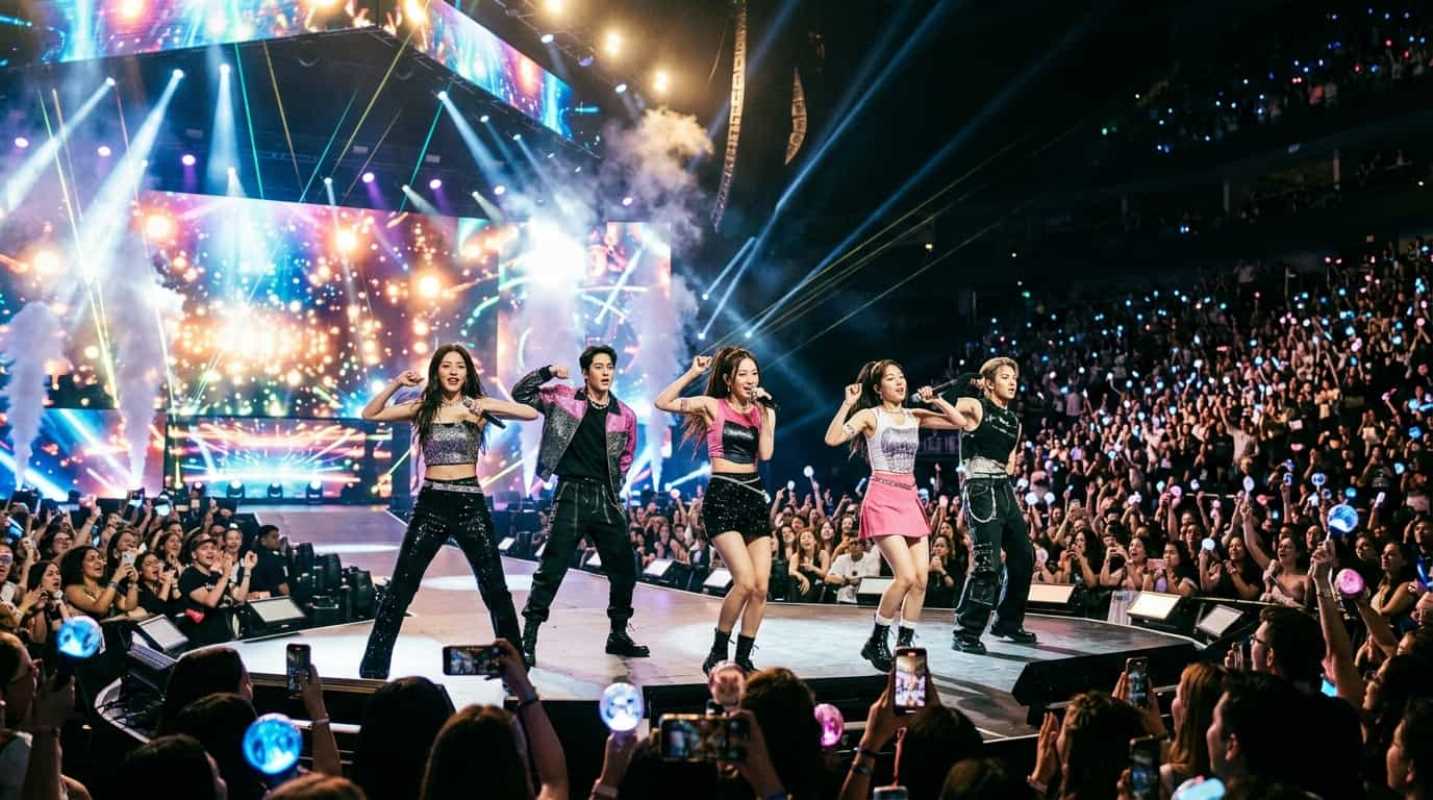
• Katseye: Wild Hearts: Followed the raw, two-year journey of a global girl group's formation using candid interviews and fan clips.
The challenge now is balancing editorial integrity with commercial interests. Audiences can spot a fake, corporate-controlled documentary from a mile away. The best projects succeed because they maintain a genuine, fly-on-the-wall perspective.
Why We Can't Look Away
At the end of the day, there is a deep psychological satisfaction in seeing how the sausage is made. We love demystifying the elite worlds of professional sports, high fashion, and corporate boardrooms. It democratizes expert knowledge. It makes us feel like insiders.
What does the future hold? Expect behind-the-scenes content to become even more immersive, using interactive streaming technology to let you choose which camera angle or story thread to follow. The demand for raw, unfiltered access is only going to grow.
Authenticity has become much more than a marketing buzzword. In an era full of AI-generated content, we are searching for brands and creators who do not just talk about their values, but actually show them.
So, the next time you find yourself binge-watching a docuseries about how your favorite shoes are made or how a sports team survived a disastrous season, remember: you are not just watching TV. You are participating in a quiet revolution of trust.
Sources:
1. Marketing Dive
https://www.marketingdive.com/news/what-marketers-need-to-know-as-branded-films-return-to-screens/817954/
2. Martech Space Castle
https://martechspacecastle.com/blogs/imperfect-marketing-unfiltered-transparency-gen-z-millennials/
3. Stock Stop Media
https://www.stockstopmedia.com/documentary-trends-2025/