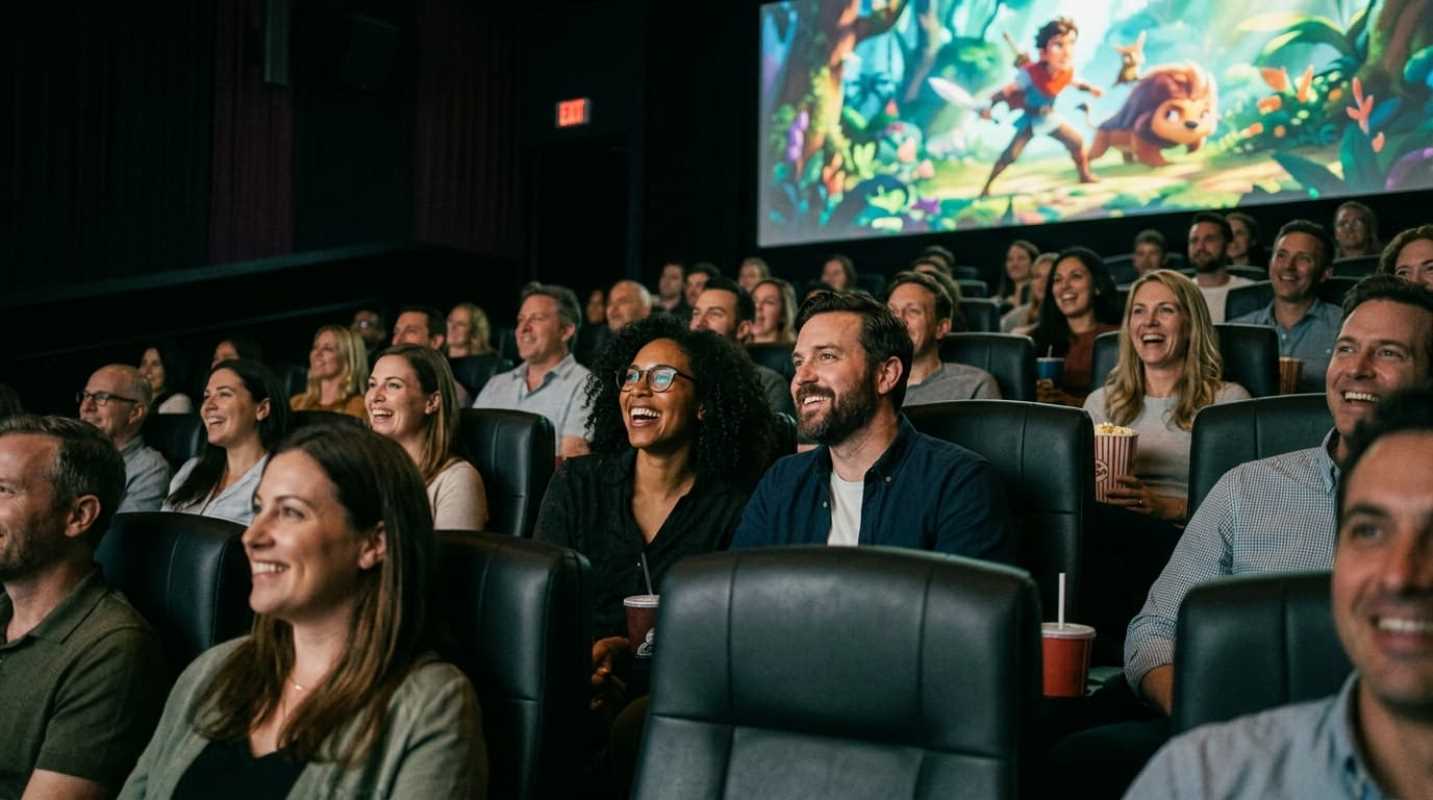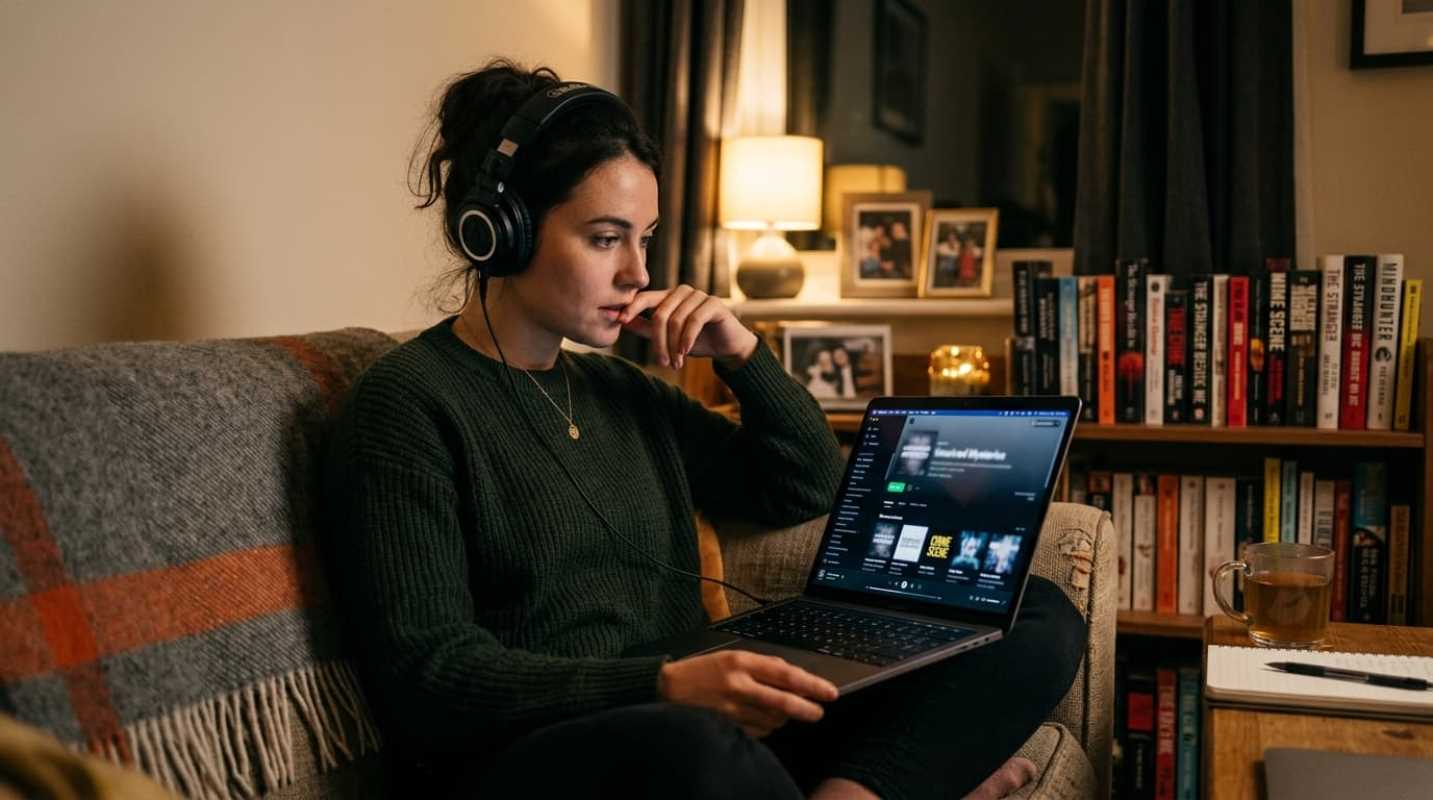
Remember when radio ruled the morning commute? You would hop in your car, twist the dial, and hope a song you actually liked was playing. Or worse, you would sit through ten minutes of loud, local car dealership commercials. Those days are officially over. Now, you get into your car, your phone connects automatically, and you instantly resume a deep-dive interview, a chilling true-crime investigation, or a comedy show.
This is not a passing trend or a pandemic-era fad that fizzled out. We are living through a permanent cultural shift in how we consume media.
According to recent research, over 70% of Americans have listened to a podcast, and millions of us tune in every single week. This massive reach has turned what used to be a tech-savvy pastime into a daily habit for almost everyone.
Podcasting has officially claimed the throne as the primary medium for modern engagement, and it is not giving up the crown anytime soon.
Think of it as the ultimate democratization of audio. Anyone with an internet connection can access thousands of voices, perspectives, and stories on demand. It is personal, it is convenient, and it fits perfectly into our busy lives.
The Celebrity Influence and Why Everyone Has a Mic
It feels like every actor, athlete, and reality TV star has a podcast. But why?
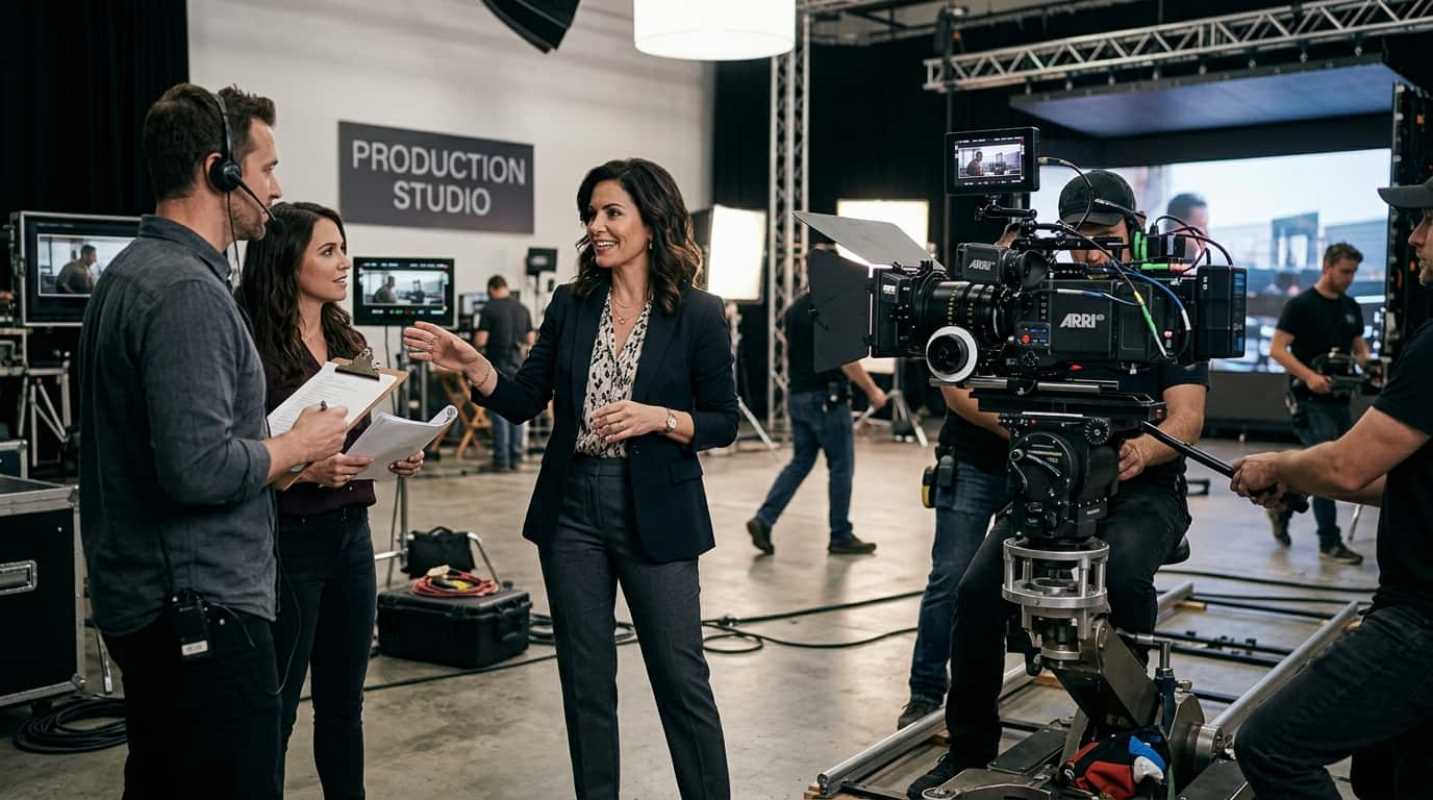
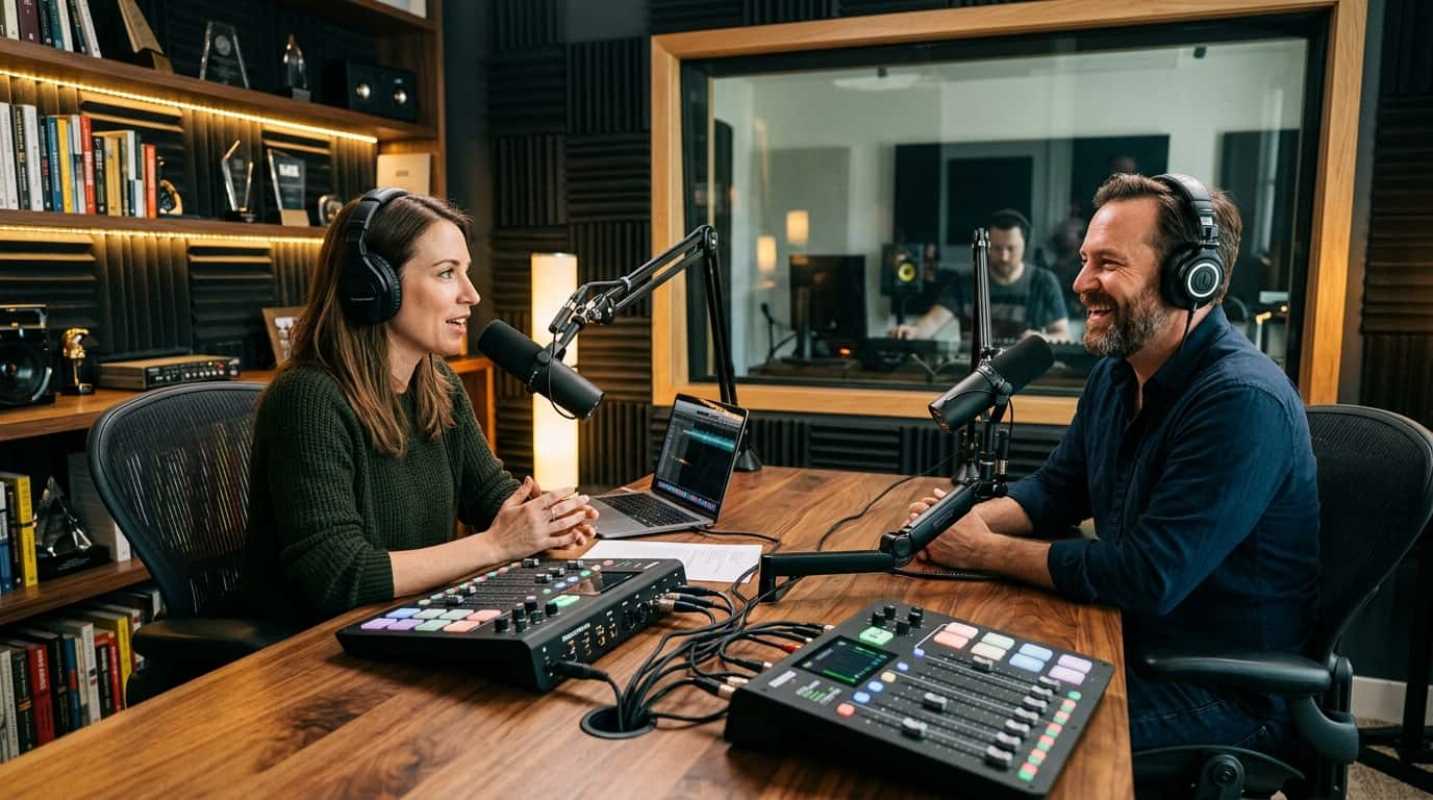
For stars, a podcast is the ultimate way to bypass traditional media gatekeepers. Instead of doing a five-minute late-night TV interview where everything is scripted, they can sit in a studio and talk to you for two hours. It feels like you are sitting at the table with them, sharing an inside joke.
This raw, intimate connection has completely validated the medium for big-budget advertisers. They are no longer throwing money at random radio spots. Instead, they want to buy space on the shows that people listen to footprint by footprint, week after week.
Take a look at the massive deals that went down recently. In early 2024, Joe Rogan signed a multi-year deal with Spotify worth up to $250 million, which strategically allowed his show to return to other platforms to get the most from ad reach.¹
Then you have Alex Cooper of Call Her Daddy landing a three-year deal with SiriusXM worth up to $125 million.²
But do not think networks are just throwing money around blindly. The industry has grown up.
These new contracts often include what insiders call "download insurance" clauses. If a host's listenership dips below a certain level, their payout drops too. It keeps the focus on organic storytelling rather than just relying on a famous name.
Even with these safety nets, the star power has proven that podcasting is a heavyweight industry. It has moved from a niche hobby to the mainstream spotlight.
The Economics of Sound and Surging Ad Revenue
So where is all this money coming from? The short answer is that brands are realizing that traditional TV and banner ads just do not work like they used to.
Think about your own habits. When a TV commercial comes on, you look at your phone. When a banner ad pops up on a website, you click the close button immediately.
But when your favorite podcast host pauses to tell you about a mattress or a meal-delivery kit they actually use, you listen. It is a high-trust, low-friction way to market, and the return on investment is massive.
When a brand sponsors a podcast, they are not just buying airtime. They are buying a slice of the host's credibility. It is the digital equivalent of a recommendation from a trusted friend, which is why listeners are so much more likely to take action.
The numbers back this up. In 2025, U.S. podcast advertising revenue climbed 17.6% year-over-year to reach $2.862 billion.³
When you look at the wider digital audio category, which includes streaming music and radio, the market hit a staggering $8.4 billion in 2025.³
Brands are shifting their budgets because podcasting allows for hyper-targeted, dynamic ads. Instead of a generic ad baked into the audio forever, modern platforms use technology to insert timely, relevant ads based on who you are and where you are listening.
This level of targeting means smaller brands can compete with massive corporations. You do not need a multimillion-dollar TV budget to reach your perfect audience. You just need to find the right show with a dedicated listener base.
The Evolution of Narrative and Audio Storytelling
If you think podcasting is still just two people talking into cheap microphones in a basement, you are missing the real magic. The creative production behind today's top shows is closer to Hollywood cinema than old-school radio.
Producers are using immersive 3D sound design to make you feel like you are standing in the middle of a bustling city or walking through a quiet, haunted forest. Every creaking floorboard and distant whisper is meticulously placed to pull you into the story.
The definition of a podcast has also completely changed. It is no longer just an audio file you download to your phone. It is now a multi-platform, highly visual experience.
If you look at how people watch podcasts today, the video revolution is hard to ignore. A massive 71% of U.S. podcast creators now produce video versions of their shows.
In fact, video podcasts account for nearly 30% of all podcast output in the U.S.
This has sparked a massive battle between YouTube and Spotify. Although Spotify has around 120 million monthly podcast listeners, YouTube has emerged as a powerhouse, attracting up to 1 billion podcast viewers globally.
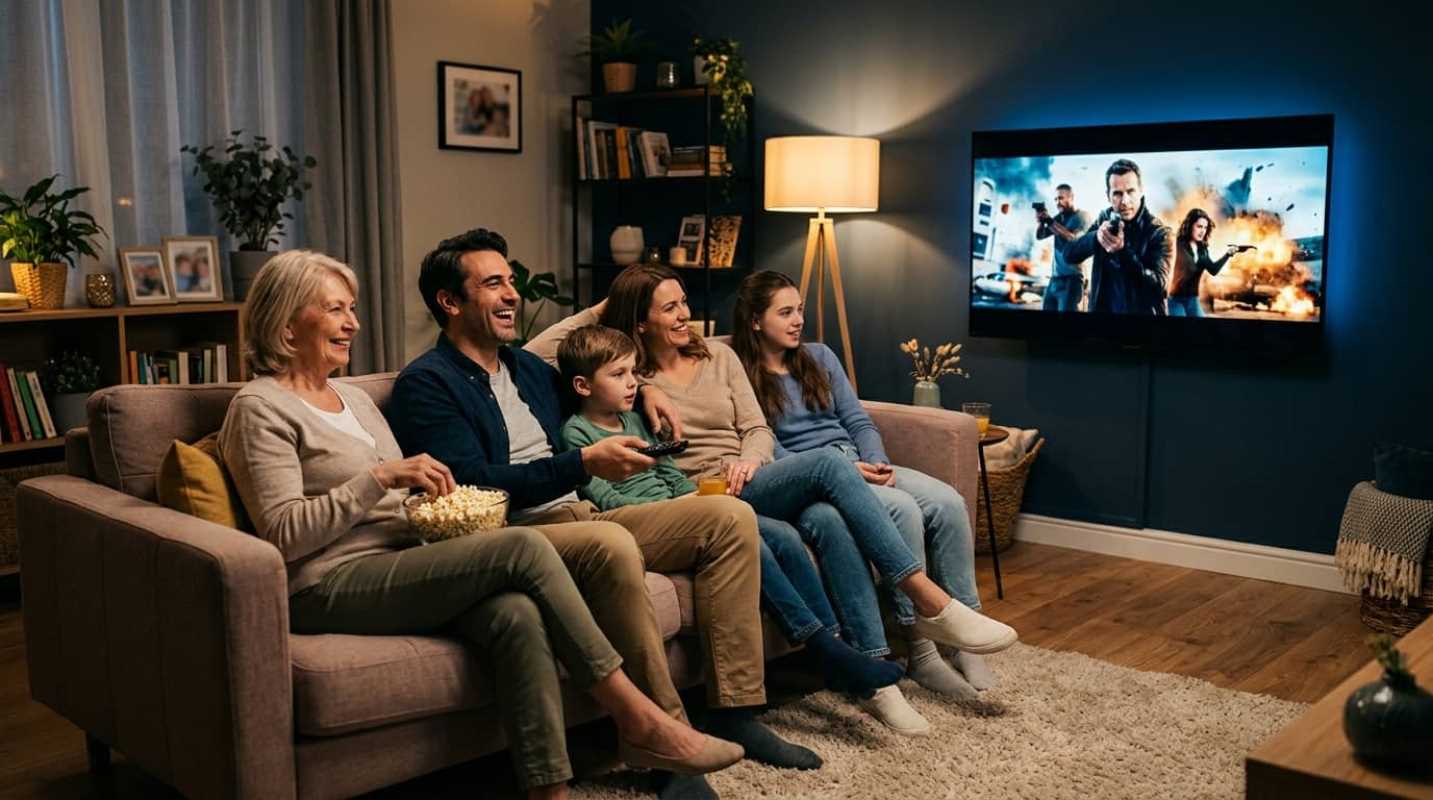
Audiences are spending 400 million hours every month watching video podcasts on their actual TV screens. It is the digital equivalent of turning your favorite talk show into an on-demand, visual hangout.
And it is not just younger generations tuning in. The fastest-growing group of listeners is the 55-and-older demographic.
In 2025, 27% of Americans aged 55 and older listened to or watched a podcast in the past week, up from just 19% in 2024. This proves that podcasting has achieved true cross-generational appeal.
At the same time, we are seeing a massive rise in highly specific, niche podcasts.
You do not need to appeal to millions of people to be successful anymore. You just need to build a loyal community of people who care about your specific topic.
Whether it is a show dedicated entirely to vintage mechanical watches, solo hiking, or obscure historical events, these hyper-focused shows build a level of listener loyalty that traditional media can only dream of.
This loyalty translates directly into community. Listeners do not just consume the content. They talk about it in online forums, attend live virtual events, and support creators directly through subscription platforms.
What Lies Ahead for the Audio Empire
Where does the medium go from here? The next phase of growth is going to look very different, thanks to new technology.
Artificial intelligence is already changing how creators work. Tools that generate transcriptions, edit out background noise, and even translate episodes into different languages are making production faster than ever.
We are also seeing listeners become more comfortable with synthetic voices for long-form content. But do not worry, AI is not going to replace your favorite host's personality.
The future of making money in this space is also moving beyond basic ad spots. We are seeing more creators launch premium subscription feeds, exclusive merchandise, and live touring shows.
One thing is certain. Podcasting has secured its spot at the top of the media food chain, and its grip on our ears is only getting stronger.
Sources:
1. The Guardian
https://www.theguardian.com/technology/2024/feb/02/spotify-joe-rogan-podcast-contract-details
2. Business Insider
https://www.businessinsider.com/call-her-daddy-alex-cooper-earn-125-million-siriusxm-2024-8
3. Radio Ink
https://radioink.com/2026/04/16/iab-digital-audio-grew-10-in-2025-as-podcasts-near-3b/