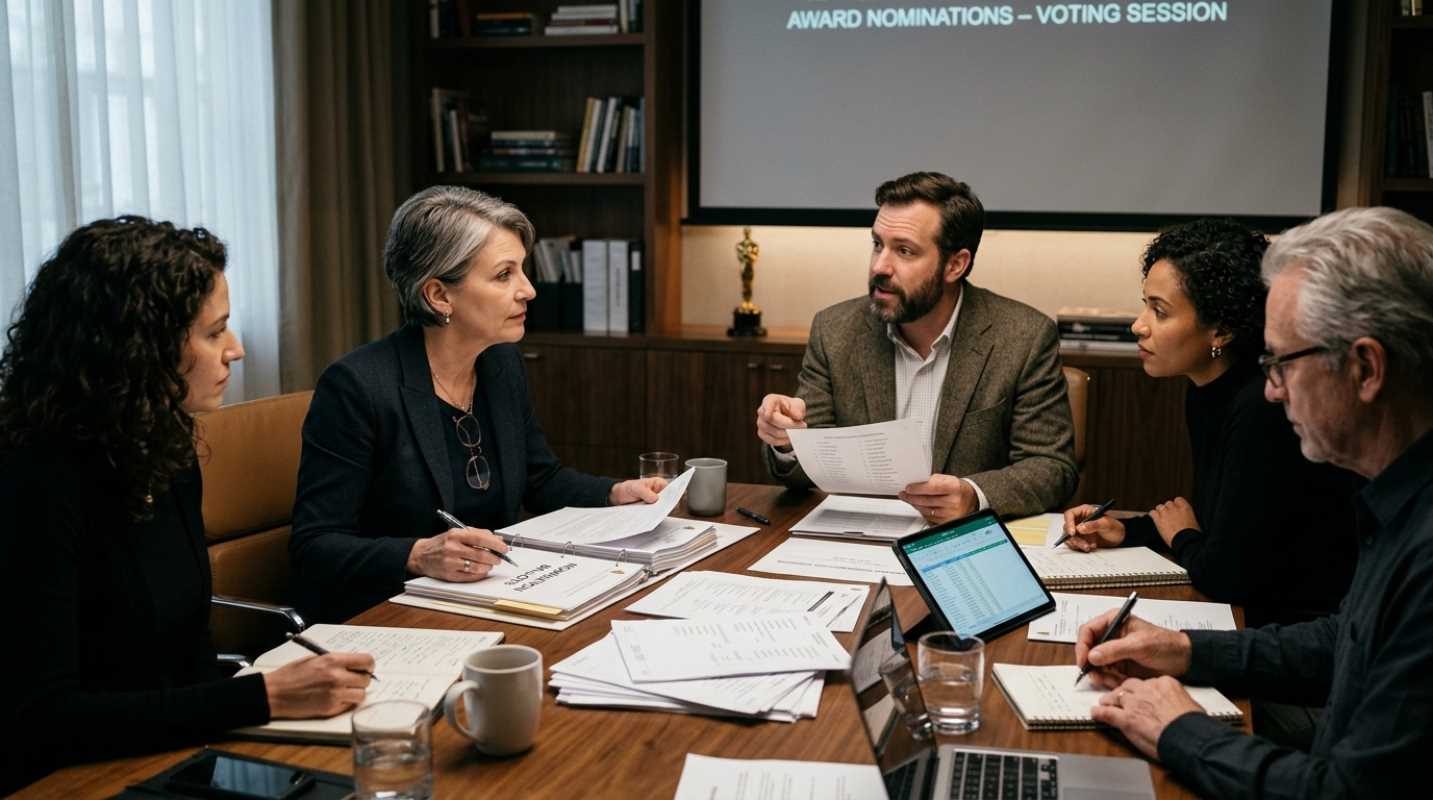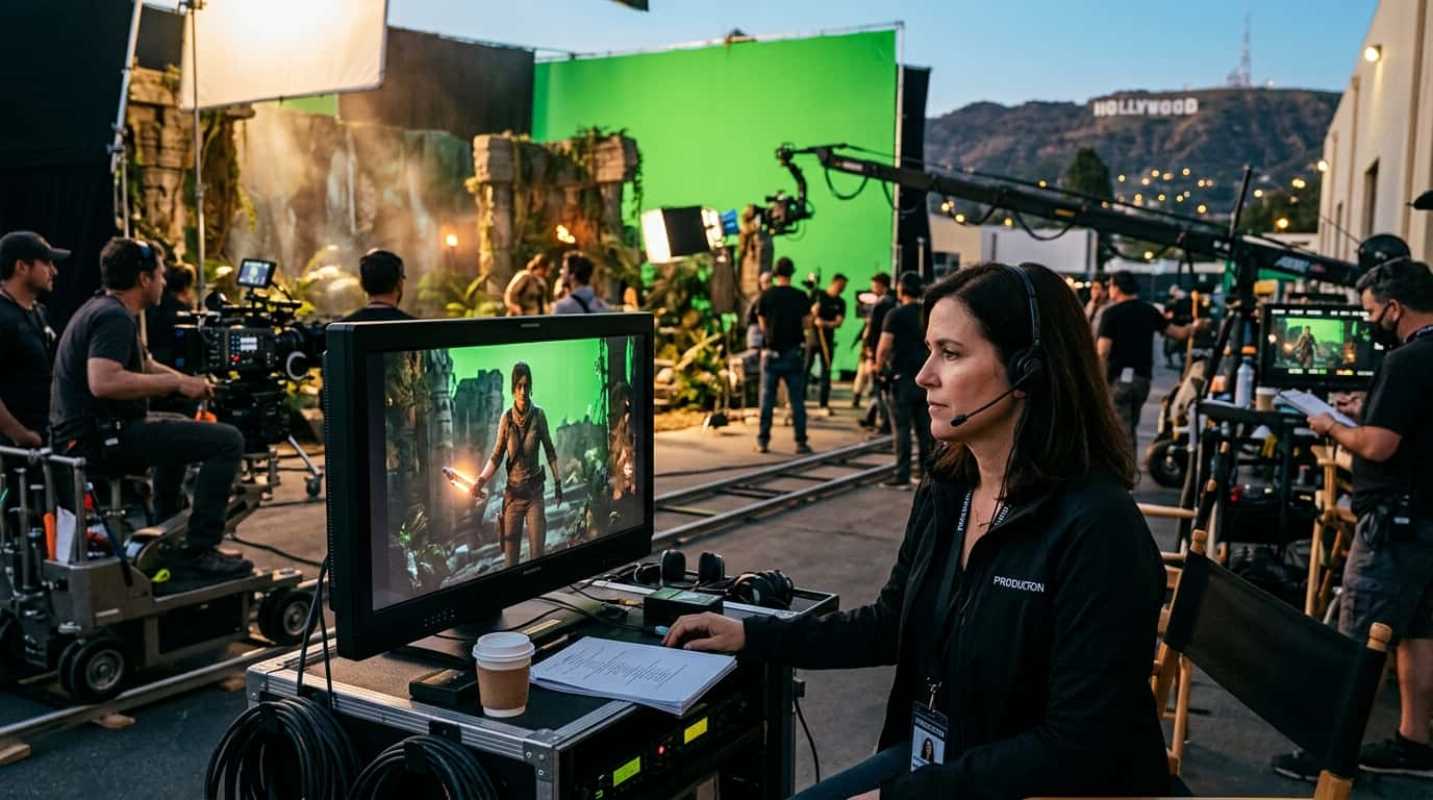
Remember when live-action video game movies were a running joke? You probably do. For decades, the entertainment industry lived under the shadow of the infamous video game adaptation curse. If you were brave enough to buy a ticket to the live-action Super Mario Bros. movie in the nineties, or any of those bizarre action projects from the early two-thousand s, you know exactly how painful it was. Hollywood used to treat gaming like a cheap gimmick, grabbing a famous character name, slapping it on a generic script, and hoping kids would buy tickets.
But something massive changed. Hollywood finally realized that gamers are not just a niche group of teenagers playing in dark basements. They are the core demographic of modern entertainment. Today, gaming is a dominant cultural force.¹
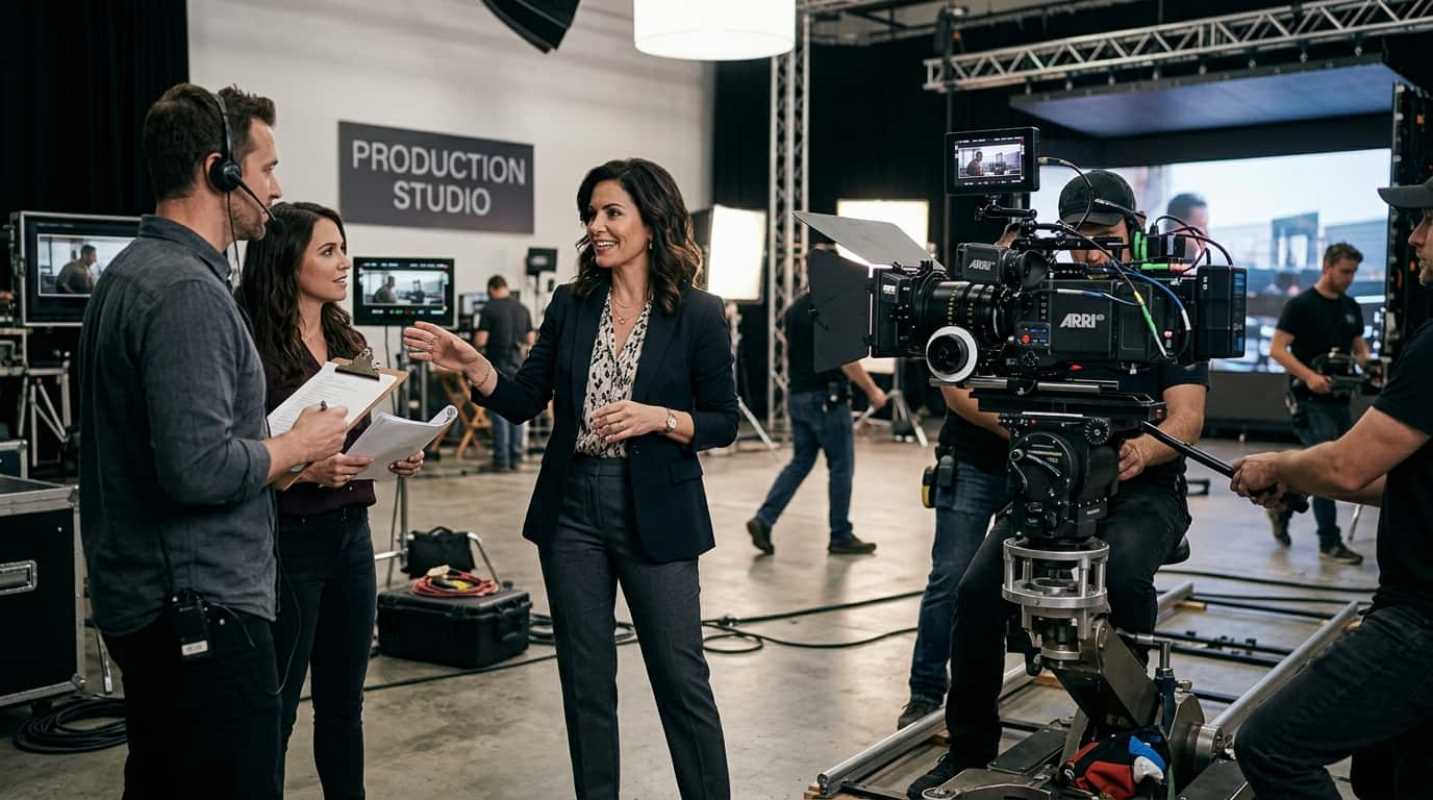
Why are we suddenly getting projects that actually look and feel like the games we love? It comes down to a simple shift in priorities. Studio executives are finally respecting the narrative integrity of the source material. Instead of stripping away the story to make a quick buck, they are treating these virtual worlds with the same respect once reserved for classic literature or prestige comic books.
The Strategic Value of Video Game IP Licensing
Let's talk business for a moment. Writing an original blockbuster script from scratch is incredibly risky today. Audiences are tired of the same old formulas, yet they are hesitant to spend money on things they do not recognize. That is where video game intellectual property, or IP, comes in.
When a studio licenses a massive game franchise, they are not just buying a story. They are buying an army of passionate fans. It is a cheat code for global brand awareness. You do not need to spend tens of millions of dollars explaining who Sonic or Mario is. The audience already loves them.
But the real secret to this modern gold rush is how these deals are structured. Historically, game developers sold the rights and walked away, only to watch their beloved creations get ruined. Now, game publishers are demanding a seat at the table. They are working as creative partners and executive producers to protect their brands.
Think of it like a protective shield for the franchise. Nintendo co-produces its films directly alongside Illumination, with Shigeru Miyamoto keeping a close eye on every scene. Over at Bethesda, Todd Howard helped guide the television version of Fallout, while Naughty Dog's Neil Druckmann co-created the television version of The Last of Us. This collaborative approach keeps the adaptation faithful while giving the production team the freedom to make great television or film.
Balancing Act of Fan Reception vs Source Material
How do you make a movie that keeps a hardcore fan happy while not confusing your grandmother who has never held a controller? It is a delicate balancing act. If you change too much, the internet will tear you apart. If you change too little, the story might feel like a boring playthrough instead of a movie.
We have seen some incredible examples of how to get this right on the small screen. Take The Last of Us or Fallout. Both shows managed to capture the exact atmosphere of the games while expanding the lore in ways that felt natural. They did not just copy the games frame by frame. They translated the emotional core of the experience.
Look at how The Last of Us handled its second season in mid-2025. Adapting a highly divisive game is no easy task, yet the show averaged 37 million global viewers per episode. Even with a drop in same-day linear viewing during its holiday-weekend finale, the overall multi-platform footprint grew to over 90 million total viewers since its TV debut. That is a massive audience that traditional television networks can only dream of.
Then there is Fallout, which won Nielsen's Top New Original Drama after racking up nearly 12 billion minutes streamed. For its second season, which ran from late 2025 into early 2026, Amazon shifted from a binge drop to a weekly release format. The approach worked beautifully, reaching 83 million viewers in its first 91 days. It is now Prime Video's second-highest-performing returning series of all time.
Then there is the power of visual consistency. When fans see a perfectly recreated prop, a familiar location, or a subtle Easter egg hidden in the background, they go wild. They screenshot it, talk about it on social media, and build free buzz for the show. This social media hype machine is incredibly powerful. It turns viewers into active promoters, driving even more casual fans to tune in.
Crunching the Numbers on Box Office Performance
Let's look at the actual numbers because they are absolutely staggering. The box office runs of recent years show that video games are the new heavyweights of cinema.
Look at The Super Mario Galaxy Movie, which hit theaters on April 1, 2026. Building on the massive success of the 2023 film, this sequel became the first movie of 2026 to cross the 1 billion dollar mark globally, currently sitting at 1.01 billion dollars. It officially pushed the Mario cinematic franchise past the 2 billion dollar milestone.
Even when critics are not thrilled, the fans still show up. A Minecreate Movie, released on April 3, 2025, received a weak 47% on Rotten Tomatoes. Yet, it shattered expectations, opening to 313.2 million dollars globally and finishing its run with 961 million dollars. That made it the fifth-highest-grossing film of 2025.
Let's look at how other recent projects performed:
• Sonic the Hedgehog 3: Released in late 2024, it grossed 492 million dollars globally on a 122 million dollar budget. This generated over 123.6 million dollars in net profit for Paramount.
• Five Nights at Freddy's 2: Released in December 2025, this horror sequel cost only 51 million dollars to make but went on to gross 239.5 million dollars worldwide.
• Borderlands: A major warning sign from August 2024. Plagued by development trouble and a PG-13 rating that alienated fans, it grossed just 33 million dollars against a massive budget, causing an estimated 80 million dollar loss.
What does this tell us? The gold mine is real, but you cannot just slap a video game logo on a bad movie and expect people to buy it. You have to respect the audience.
Meanwhile, streaming platforms have completely changed the risk profile for these adaptations. Instead of relying solely on a single opening weekend at the box office, shows can build massive, sustained audiences over several weeks.
The Future and Why the Gold Rush is Just Beginning
This is not a temporary trend. The pipeline of upcoming adaptations for the rest of 2026 and beyond is packed. We are moving toward a world of true transmedia storytelling, where games, movies, and television shows do not just copy each other, but actually live in the same ecosystem.²
This creates what the industry calls a win-win flywheel. Historically, a movie was just a way to make money on tickets. Today, a great show or movie acts as a massive marketing campaign for the game itself.
According to data from Ampere Analysis, television adaptations boost game player numbers by an average of 203%, while film adaptations drive a 48% player increase.³ Look at what happened with Fallout. After the show premiered, the active player count for the games jumped by nearly 500%, bringing in 14 million players, many of whom were experiencing the franchise for the very first time. Even an established giant like Minecreate saw its active players jump 30% after the movie came out.
This is why every major studio is hunting for unclaimed game IPs. The gold rush is officially on, and gaming has become the primary engine driving Hollywood's future growth.
Sources:
1. Video Game Hollywood Movie Rise
https://observer.com/2024/06/video-game-hollywood-movie-rise/
2. Blurring the Lines Between Video Games and Movies
https://www.deloitte.com/us/en/insights/industry/technology/technology-media-and-telecom-predictions/2024/blurring-the-lines-between-video-games-and-movies.html
3. The Game IP Goldrush
https://www.ampereanalysis.com/insight/the-game-ip-goldrush-numerous-standout-titles-are-still-up-for-grabs