Remember when getting a college degree meant packing up your life, moving into a cramped dorm, and sitting in a drafty lecture hall at 8:00 AM? That classic picture of college is no longer the only path. The ways we learn have completely transformed. You can now earn a degree from a top-tier university while sitting on your couch in your pajamas, or you can still choose the traditional campus experience. But which option actually serves you best?
It is not a simple choice. Your decision depends on your daily lifestyle, how you naturally learn, and where you want your career to go. Let's break down the realities of both paths so you can make the right call for your future.
The Realities of Cost Differences
There is a massive assumption out there that going to school online is automatically dirt cheap. In fact, surveys show that about 80% of people think online programs should cost less than in-person ones. But if you look at what universities actually charge, you might get a surprise.
Only about 24% of colleges actually charge less for their online programs. Around 83% of online programs cost the same as, or even more than, their traditional counterparts. Setting up high-quality digital platforms, training professors to teach virtually, and managing tech support is incredibly expensive for schools.
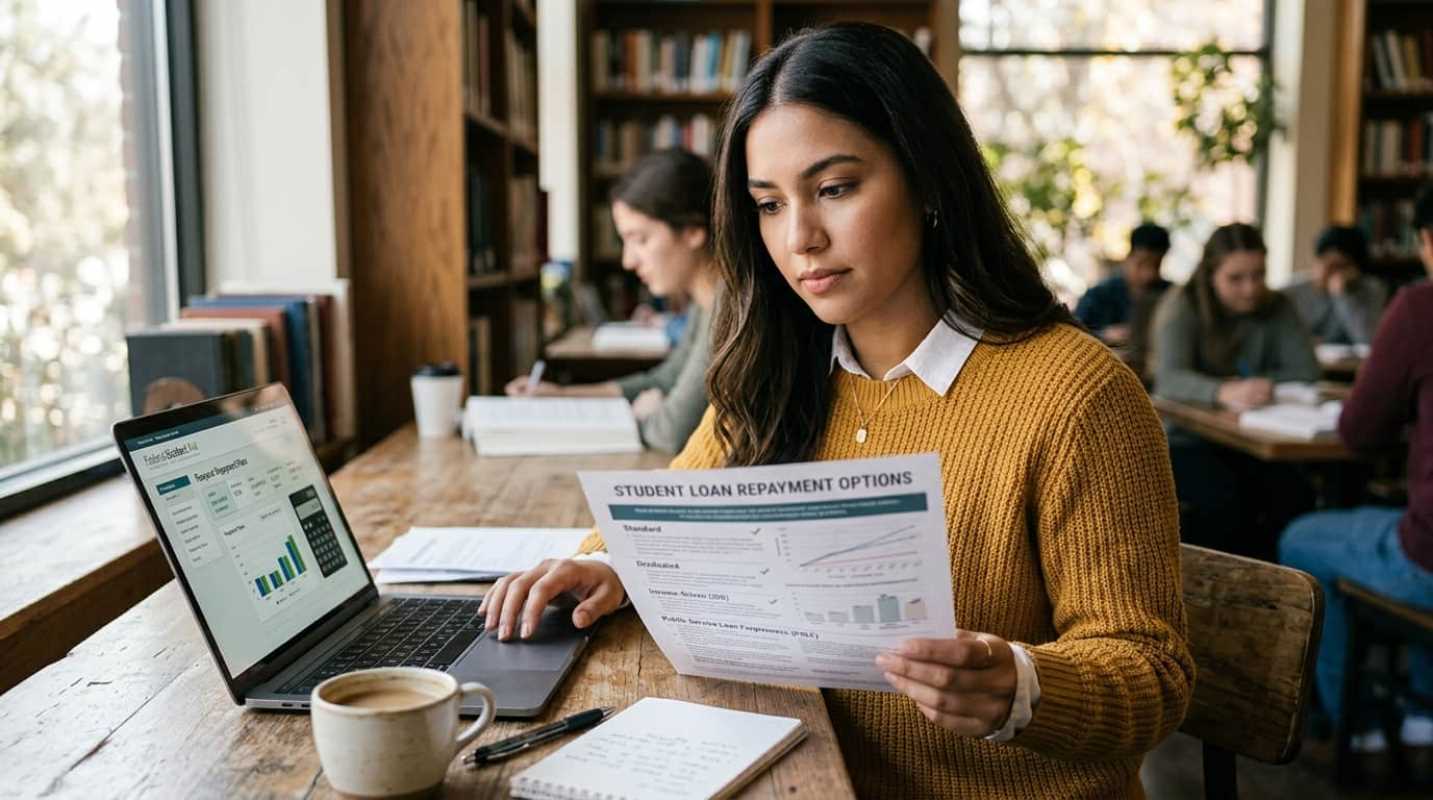
To understand why online learning can be a smart financial move, we have to look past the sticker price. At public universities, the difference in tuition is surprisingly small. In fact, public online courses average about $501 per credit hour, while in-state on-campus classes average $431. Yes, online can actually be slightly more expensive per credit hour at your local state school!
But the story changes completely when we look at private universities. If you want to attend a private college, going online is a massive money saver. An online credit hour at a private school averages $519, compared to a whopping $1,748 per credit hour for on-campus private programs. That is roughly one-third of the price.
But the real financial magic of online learning is in the hidden savings. When you do not have to live on campus, you bypass room and board costs, which average between $13,310 and $15,250 a year.
Let's look at the average yearly total cost of attendance for undergraduate students:
• In-State Online: $21,882 per year
• In-State In-Person: $24,777 per year
• Out-of-State Online: $33,987 per year
• Out-of-State In-Person: $45,803 per year
You also save on gas, parking passes, and campus fees, which can easily add up to $2,000 annually. Plus, online classes let you keep your day job. Keeping your income while studying is a financial game changer that traditional students rarely get to experience. Financial aid and federal grants apply to both formats, as long as your program is accredited.
Analyzing Employer Perception
Maybe you are worried that employers will look at an online degree and toss your resume in the trash. That used to be a valid fear, but the job market has changed completely.
Hiring managers are now ten times more likely to hire someone with an online degree than they were before the pandemic, and top executives are thirteen times more likely to do so.¹ The stigma is practically gone because almost every major company now operates with remote or hybrid teams. If you can work online, you can certainly learn online.
In fact, the National Association of Colleges and Employers found that over 87% of employers who track degree format have hired online graduates.² Even better, 100% of those employers pay those graduates the exact same starting salary as in-person grads.
According to a global education report, 83% of HR professionals view an accredited online degree from a reputable school as completely equal to an on-campus degree.³ This shift in perspective is a direct result of how modern business works. If managers are leading remote teams across different time zones, they cannot logically argue that online collaboration is ineffective for learning.
So what is the secret to making sure your degree is respected? It comes down to accreditation and what people call the institutional halo.
If you get an online degree from an established university with a physical campus, like Purdue or Northeastern, employers do not even see it as an online degree. They just see the university name on your resume. Your diploma will look exactly the same as the one given to someone who sat in a physical classroom.
When you write your resume, you do not need to specify that your degree was online. Just list the school, your major, and your graduation date. Focus on highlighting your skills, internships, and projects. In 2026, employers care about what you can do, not whether you did it from a desk in a lecture hall or a desk in your bedroom.
Keep in mind that some fields are more digital-friendly than others. Tech, marketing, and business employers love online credentials. But if you want to go into hands-on fields like nursing, engineering, or law, you will still need traditional, in-person clinicals and labs.
Matching Your Learning Style to the Format
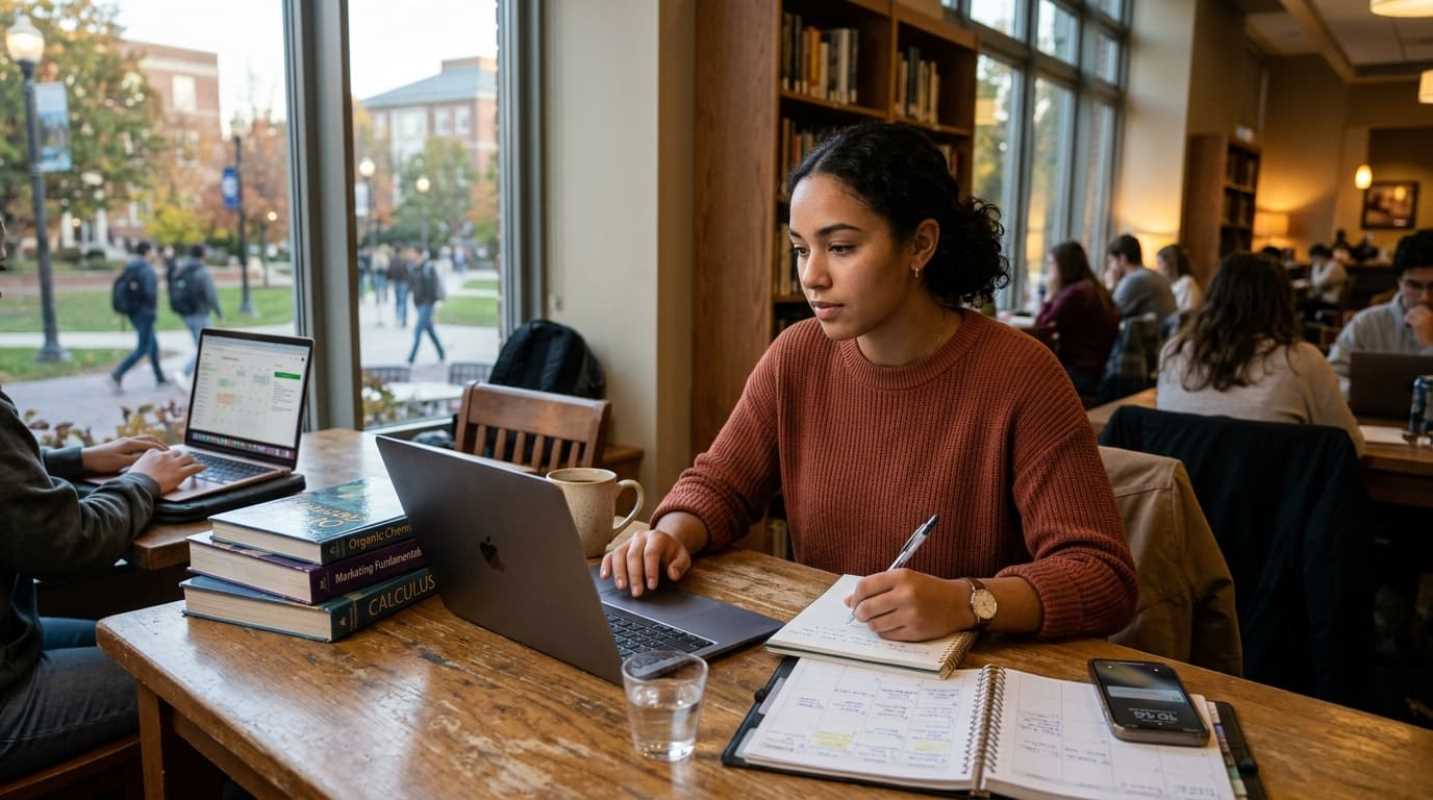
Choosing a format involves more than just money and resumes. Your natural learning style plays a massive role. Be honest with yourself: do you have the self-discipline to sit down and do your homework without a professor staring at you?
Online learning requires serious time management. If you choose an asynchronous model, which means you watch recorded lectures on your own schedule, you are entirely in charge of your own progress. If you struggle with procrastination, this freedom can quickly turn into a trap.
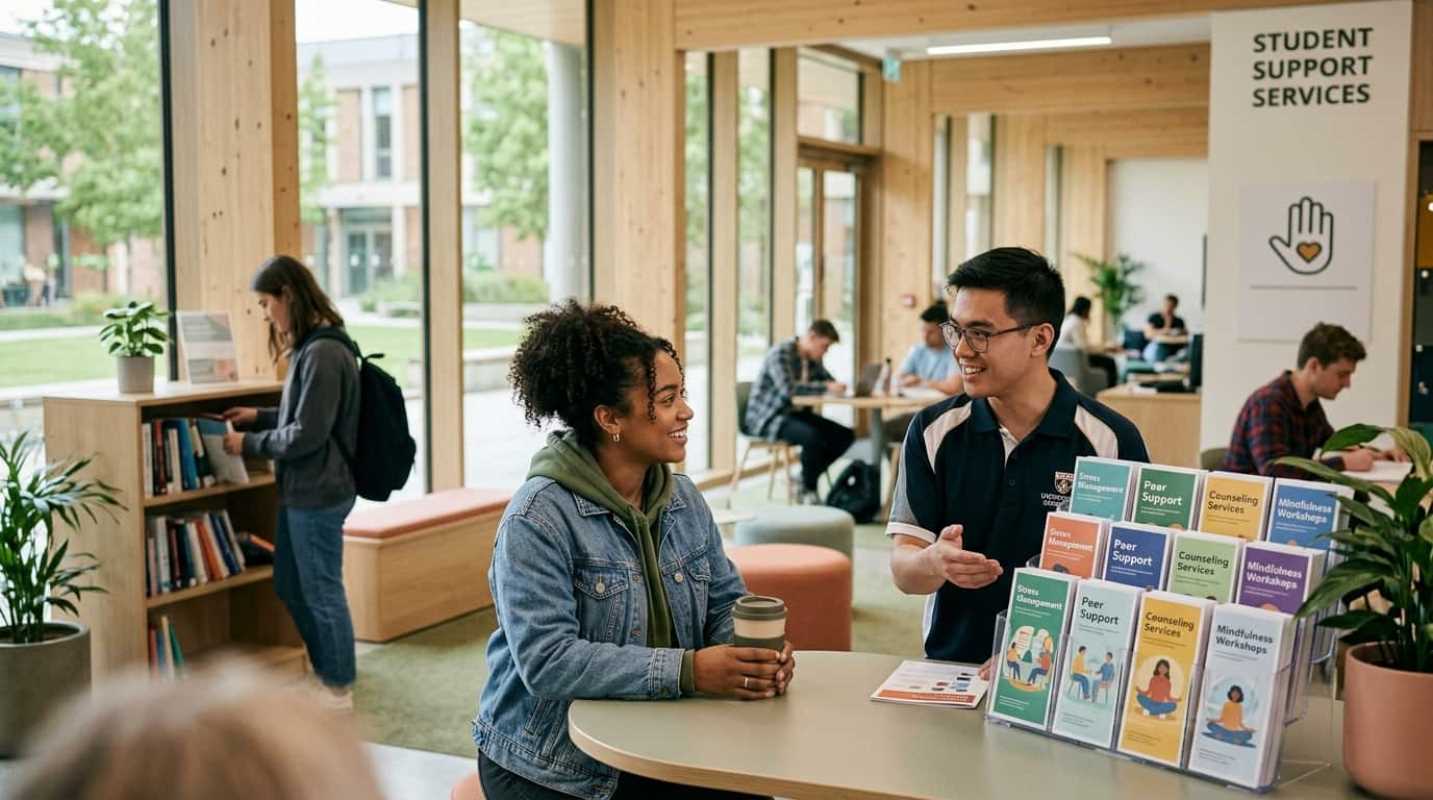
On the other hand, traditional classrooms offer built-in structure. You show up at a set time, look your peers in the eye, and ask questions in real time. This face-to-face contact is where the magic of networking happens. It is much easier to form study groups, find mentors, and make lifelong friends when you are sharing physical space.
If you want a middle ground, look for online programs that use synchronous learning. These programs require you to log in for live video lectures, giving you a taste of real-time community without the commute.
How to Make Your Final Decision
At the end of the day, choose the learning format that fits your current life.
If you need to work full-time, care for family, or live far from a major university, online programs offer unmatched flexibility. They let you earn a respected degree without uprooting your life. But if you crave the classic college experience, want to build an immediate local network, and need external structure to stay on track, the traditional campus is worth the investment.
Focus on regional accreditation, compare the total cost of attendance rather than just tuition, and choose the path that you are most likely to finish. The best degree is always the one you actually complete.
Sources:
1. VCU News - How do employers view online degrees
https://news.vcu.edu/article/how-do-employers-view-online-degrees
2. Degreefyd - Distance Learning: Do Employers Care in 2025?
https://degreefyd.com/blogs/distance-learning-employers-2025
3. OnlineU - What Employers Think About Online Degrees
https://www.onlineu.com/magazine/what-employers-think-about-online-degrees